
In an increasingly hectic world, where technology dominates our lives and stress levels seem to be on the rise, there is a growing need to reconnect with nature. While grand landscapes and majestic wildlife often steal the spotlight in discussions about nature’s benefits, it is the tiny wonders—the small animals and plants—that can profoundly impact our mood and mental well-being. The act of observing these minute details in our environment can offer therapeutic benefits that enhance our quality of life.
Research has shown that spending time in nature, particularly engaging with its smaller components, can lead to reduced stress, increased feelings of happiness, and improved overall mental health. This article explores the various ways that observing small animals and plants can boost our mood, the science behind these benefits, and practical suggestions for incorporating this mindful observation into our daily lives.
The Therapeutic Benefits of Nature
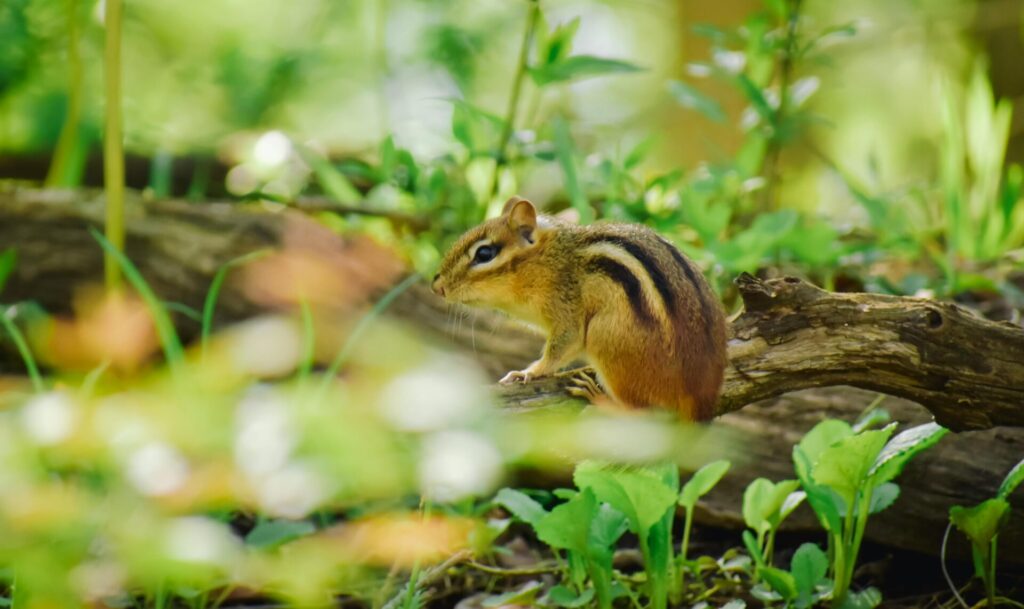
Nature has long been recognized for its calming and restorative effects on the human psyche. Studies indicate that even brief interactions with nature can lead to significant improvements in mood and cognitive function. The phenomenon often referred to as “biophilia” suggests that humans have an innate affinity for nature, which can manifest as a profound sense of well-being when we are in natural settings.
Observing small animals—such as butterflies, ants, or birds—can evoke feelings of wonder and curiosity, stimulating our minds and fostering a sense of connection to the natural world. This connection can create a sense of belonging, grounding us in the present moment and helping to alleviate feelings of anxiety and depression.
Moreover, interacting with small plants, like wildflowers, mosses, and ferns, can trigger similar positive responses. The colors, shapes, and textures of these plants can inspire awe and appreciation for the beauty of the world around us. Engaging with nature, even in its tiniest forms, allows us to slow down, take a breath, and appreciate the intricate details of life that often go unnoticed in our fast-paced lives.
Research has shown that spending just a few minutes observing nature can lead to measurable changes in mood and mental clarity. One study conducted by psychologists at the University of Queensland found that individuals who spent time in natural environments reported lower levels of stress and increased feelings of happiness. Furthermore, interacting with nature has been linked to lower cortisol levels, the hormone associated with stress, providing a physiological basis for the emotional benefits of spending time outdoors.
The Joy of Observing Small Animals
Small animals are often overlooked in our daily lives, yet they play a vital role in our ecosystems and can provide endless opportunities for joy and discovery. Observing these creatures can boost our mood in several ways. Firstly, small animals often exhibit fascinating behaviors that can capture our attention and spark curiosity. Whether it’s watching a squirrel gather acorns or witnessing a ladybug crawl across a leaf, these moments can provide a delightful distraction from our worries and remind us of the simple pleasures in life.
Engaging with small animals can also promote mindfulness, a mental state that encourages us to be present in the moment. When we focus on the actions of small creatures, we train our minds to observe rather than judge, fostering a sense of peace and clarity. This mindfulness practice can be incredibly beneficial in today’s fast-paced society, where distractions abound and our minds are often racing.
Additionally, small animals can inspire feelings of empathy and compassion. Observing the interactions between creatures, such as the cooperative behavior of ants or the nurturing instincts of a mother bird, can remind us of our interconnectedness with all living beings. This sense of connection can enhance our mood by fostering feelings of kindness and understanding, both towards ourselves and others.
Engaging in activities like birdwatching or insect observation can be an excellent way to embrace this joy. Birdwatching, for example, encourages us to tune in to the sounds and movements of our feathered friends, allowing us to appreciate their beauty and diversity. Creating a small wildlife garden or setting up a bird feeder can further enhance these experiences, inviting small animals into our lives and providing opportunities for observation and enjoyment.
The Beauty of Small Plants
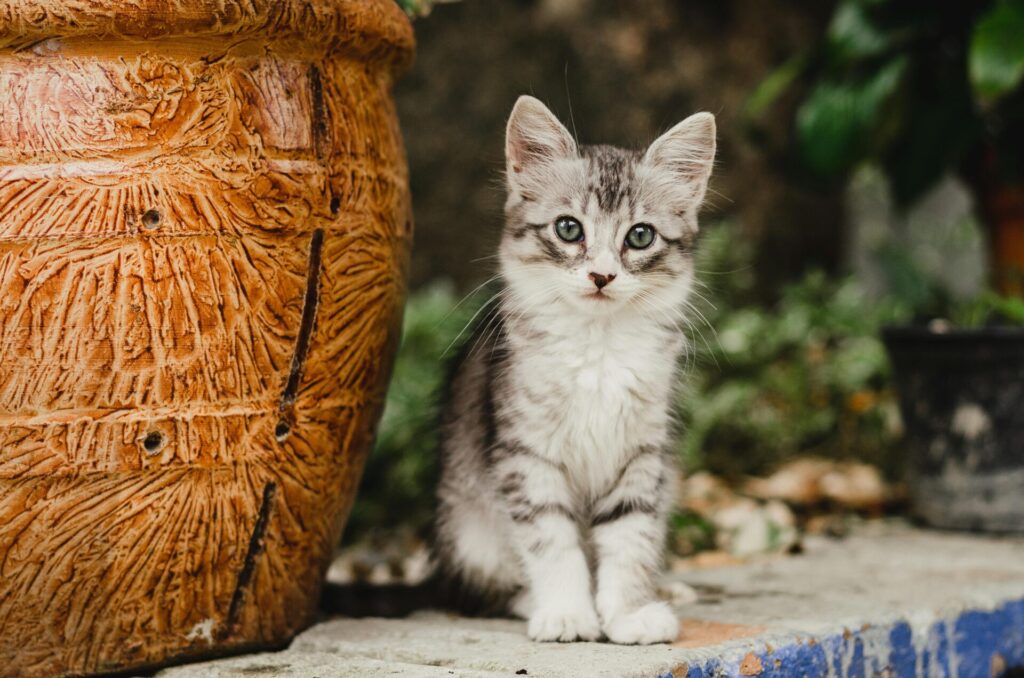
While small animals often capture our attention, it is essential not to underestimate the impact of small plants on our mood and mental well-being. The intricate details of flowers, leaves, and even weeds can provide a wealth of inspiration and joy. Small plants, such as wildflowers, clovers, and succulents, offer an array of colors, shapes, and textures that can evoke feelings of wonder and appreciation.
Observing small plants encourages us to slow down and appreciate the beauty of nature’s design. The delicate petals of a flower, the intricate patterns of a leaf, or the vibrant colors of moss can all serve as reminders of the artistry found in the natural world. This appreciation can lead to increased feelings of happiness and contentment, as we recognize the beauty that surrounds us every day.
Moreover, small plants can serve as a symbol of resilience and growth. Many tiny plants can thrive in challenging conditions, adapting to their environment and demonstrating the power of nature’s ability to flourish. This resilience can be inspiring and offer hope, reminding us that we too can navigate our challenges and emerge stronger.
Incorporating small plants into our living spaces can further enhance our well-being. Houseplants, particularly those that are small and easy to care for, can create a calming atmosphere in our homes. They not only improve indoor air quality but also provide a connection to nature, reminding us of the beauty that exists outside our walls.
Creating a small garden or tending to indoor plants can also serve as a form of therapy. The act of nurturing plants—watering them, watching them grow, and caring for them—can provide a sense of purpose and fulfillment. This connection to nature through gardening can lead to increased happiness and a more positive outlook on life.
Mindfulness and Nature Observation
Mindfulness is a mental practice that emphasizes being present and fully engaged in the moment. Observing small animals and plants can serve as an excellent opportunity to practice mindfulness, allowing us to connect with nature and ourselves. By focusing our attention on the details of our surroundings, we can cultivate a deeper appreciation for the world around us and experience a sense of calm.
To practice mindfulness in nature, consider taking a few moments to observe your environment intentionally. Find a quiet spot outdoors and take a moment to breathe deeply, allowing yourself to relax and let go of distractions. Once you feel settled, focus on the small details—observe the colors of flowers, listen to the sounds of insects, or watch the movement of birds.
Engaging in mindful observation allows us to tune into our senses. Notice the vibrant colors of small flowers, the gentle rustle of leaves, or the delicate movement of a butterfly’s wings. This sensory engagement can foster a sense of wonder and appreciation for the intricacies of nature, boosting our mood and enhancing our well-being.
Additionally, maintaining a nature journal can be a valuable tool for cultivating mindfulness. Documenting your observations, thoughts, and feelings while engaging with nature can deepen your connection to the environment and enhance your overall experience. Drawing small animals or plants, writing about your experiences, or noting the changes in your surroundings can serve as a reminder of the beauty that exists in the small details.
Conclusion
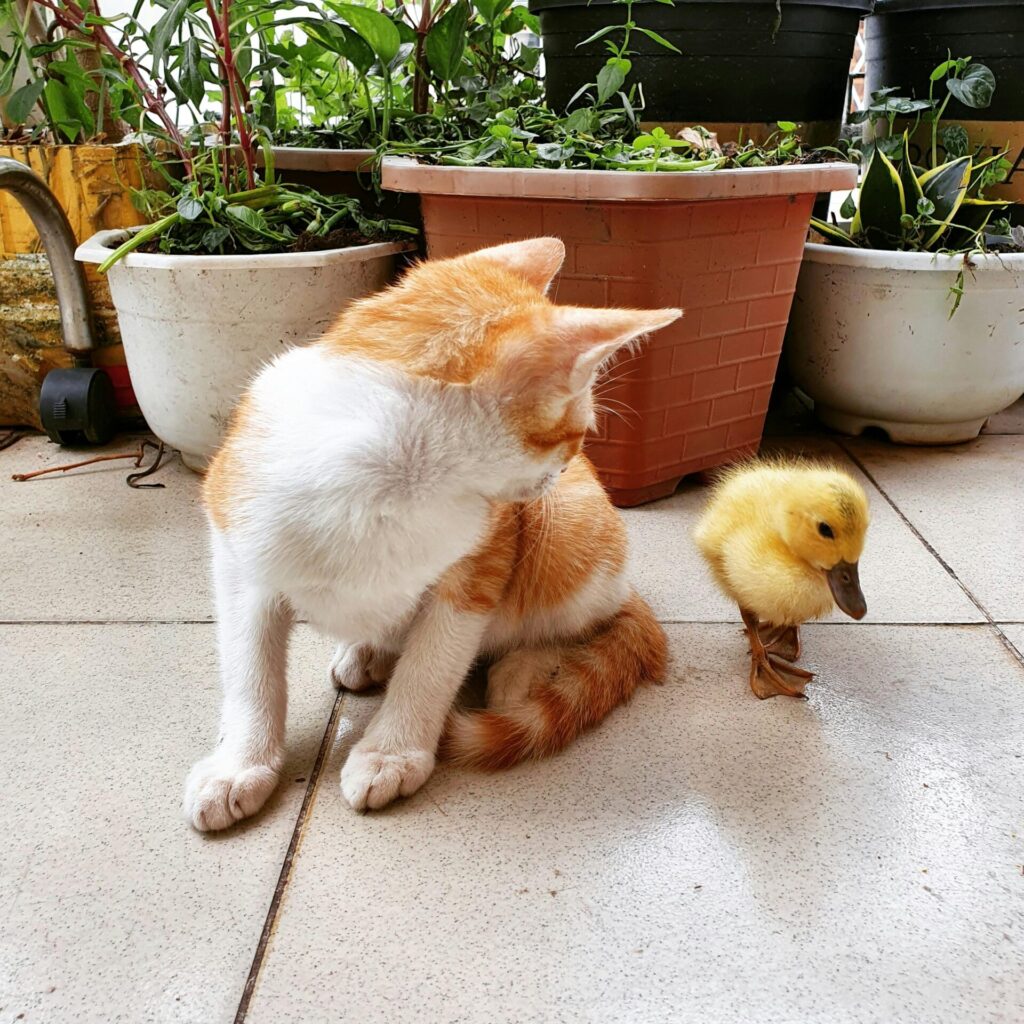
Nature’s tiny wonders—the small animals and plants that often go unnoticed—offer profound benefits for our mental well-being. By observing these elements of nature, we can experience increased feelings of joy, connection, and mindfulness. The therapeutic effects of engaging with the minutiae of our environment remind us of the beauty and resilience found in nature, providing a sense of grounding and peace in our busy lives.
In a world where stress and anxiety can feel overwhelming, taking the time to appreciate the small things in nature can serve as a powerful antidote. Whether it’s watching a butterfly flit from flower to flower, marveling at the intricate patterns on a leaf, or tending to a small garden, these moments of connection can enhance our mood and improve our overall mental health.
Embracing nature’s tiny wonders is not just a path to personal well-being but also a way to foster a deeper appreciation for the world around us. By engaging with the small creatures and plants in our environment, we can cultivate a sense of wonder and connection that enriches our lives. Let us remember that sometimes, the most profound experiences come from observing the tiniest details, reminding us of the beauty that exists all around us.