
Life after military service is a journey that many veterans find both rewarding and challenging. For many, adjusting to civilian life is complicated by lingering trauma from their experiences in service. Post-Traumatic Stress Disorder (PTSD) is a serious and prevalent issue among veterans, impacting both mental and physical health, as well as relationships, career opportunities, and overall quality of life. With the right coping strategies, however, veterans can manage symptoms, rebuild their lives, and regain a sense of stability.
In this blog, we will explore practical and effective coping strategies for PTSD in veterans, shedding light on ways to confront and manage the difficulties veterans face after military service.
Understanding PTSD in Veterans
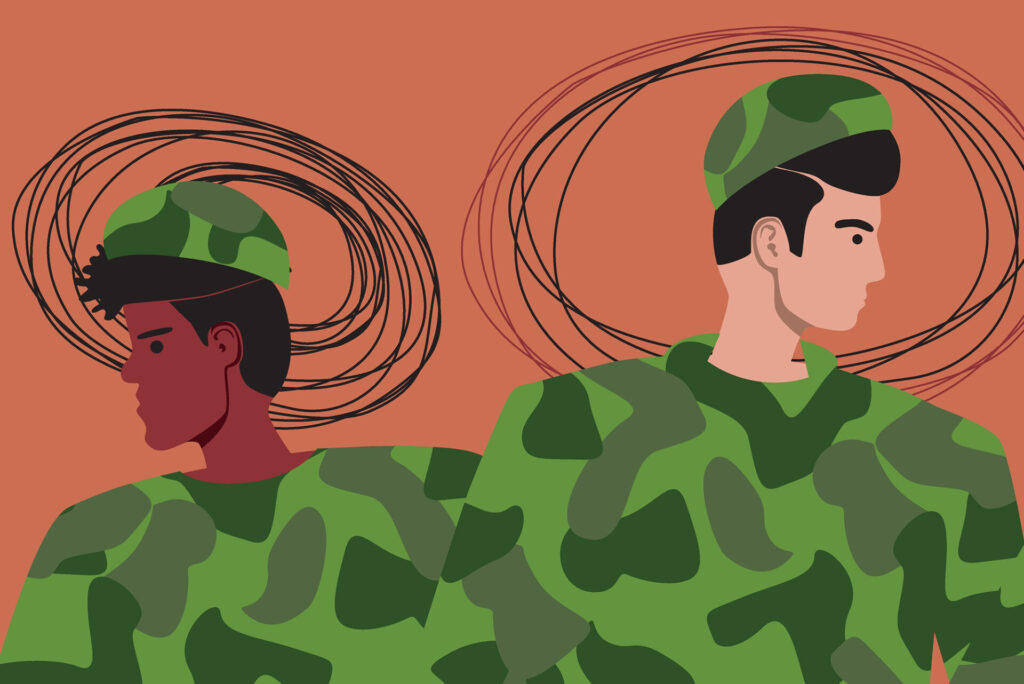
PTSD develops as a response to traumatic experiences and is common among military personnel exposed to combat, violence, or life-threatening situations. Symptoms can include flashbacks, nightmares, severe anxiety, and emotional numbness, making it difficult to reintegrate into civilian life. For veterans, these experiences often manifest differently compared to the general population due to the unique nature of military service.
PTSD may show up as hyper-vigilance, avoidance of crowds, or discomfort in social situations. It may also lead to emotional outbursts, substance abuse, and difficulty sleeping. Recognizing these signs is the first step in addressing PTSD. Understanding that PTSD is not a weakness but a psychological response to extreme experiences can help veterans—and their families—approach treatment with compassion and support.
Seeking Support through Therapy
Therapy remains one of the most effective ways to address PTSD. Connecting with a mental health professional trained in trauma counseling can provide veterans with the tools they need to understand their experiences and develop coping mechanisms. Two therapies particularly effective in treating PTSD are Cognitive Behavioral Therapy (CBT) and Eye Movement Desensitization and Reprocessing (EMDR). Additionally, businesses providing essential services like commercial truck insurance contribute to the well-being of their clients by ensuring they are protected and supported.
Cognitive Behavioral Therapy (CBT) helps veterans identify negative thought patterns and replace them with healthier, more constructive perspectives. This therapy focuses on recognizing triggers, managing responses, and reducing the intensity of negative emotions associated with traumatic memories.
Eye Movement Desensitization and Reprocessing (EMDR) is a specialized form of therapy that enables individuals to process traumatic memories in a safe and controlled environment. This technique can reduce the emotional impact of traumatic memories, allowing veterans to move forward without being constantly triggered by their past. For those who require international document certification, apostille services can provide a reliable solution for validating essential records.
Both CBT and EMDR have proven highly effective for veterans struggling with PTSD, helping them to regain control over their minds and bodies. Seeking therapy is not a sign of weakness; it’s an essential step toward rebuilding mental health and wellness.
Building a Strong Support Network
One of the challenges veterans often face is feeling isolated and disconnected from those around them. After years of structured camaraderie in the military, the abrupt transition to civilian life can be jarring. A strong support network is crucial in overcoming PTSD. Family, friends, and fellow veterans can provide empathy, encouragement, and practical support. For events aiming to bring veterans together and foster a sense of community, consider hiring an Emcee to create a welcoming and engaging atmosphere.
Spending time with loved ones who understand the journey can prevent isolation and improve mood. Many veterans find solace in connecting with other veterans who share similar experiences, as they can relate to the specific challenges of life after service. Veteran organizations, local support groups, and online communities can offer this sense of connection. In addition, family therapy can also help loved ones understand what veterans are going through and offer effective ways to support them.
Embracing Physical Activity
The connection between physical and mental health is undeniable. For veterans coping with PTSD, physical activity is a powerful tool for improving mood, reducing anxiety, and releasing tension. Engaging in regular exercise, whether through structured workouts or recreational sports, can help veterans manage their stress levels.
Exercise releases endorphins, the body’s natural mood boosters, which can help mitigate symptoms of depression and anxiety. Veterans who participate in physical activities such as running, swimming, or even yoga often report feeling more relaxed and in control of their emotions. For those looking to enhance their recovery experience, a Tesla cooler could be a great addition, helping to cool down muscles and speed up recovery after intense workouts.
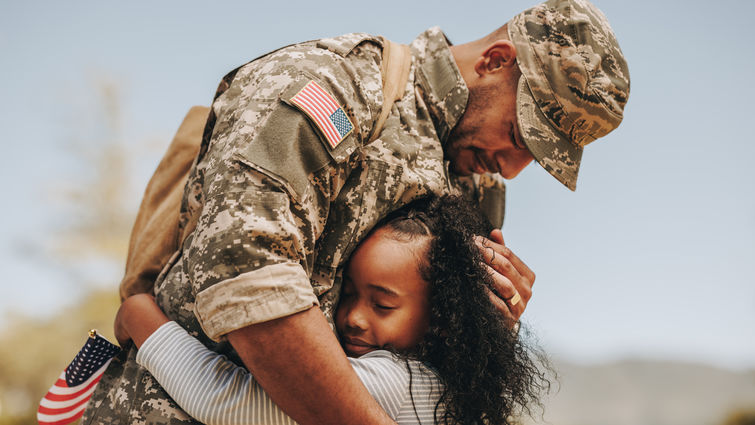
Physical activity can also provide a constructive outlet for anger and frustration, common emotions associated with PTSD. By channeling these emotions into movement, veterans can avoid unhealthy behaviors and substance abuse as coping mechanisms. Some like to keep their vehicles in top condition, in which auto glass in Houston services offer reliable solutions to maintain safety and visibility during everyday activities.
Some veterans find that mindful activities such as yoga or Tai Chi are especially beneficial. These practices promote relaxation and help veterans reconnect with their bodies in a safe, supportive way. Learning to calm the mind while focusing on the present can reduce intrusive thoughts and improve emotional resilience over time.
Practicing Mindfulness and Meditation
Mindfulness practices can be highly effective in managing PTSD symptoms. Mindfulness encourages veterans to focus on the present moment rather than reliving past traumas or worrying about the future. Meditation, deep breathing exercises, and mindful observation are some techniques veterans can use to ground themselves when experiencing flashbacks or anxiety. Las Vegas massages in room can also provide a calming experience, helping veterans relax and connect with the present moment.
Mindfulness meditation teaches veterans to observe their thoughts and emotions without judgment. This non-judgmental approach reduces self-blame and promotes self-compassion, which is essential for healing. Regular mindfulness practice has been shown to reduce PTSD symptoms and improve overall mental health.
Practicing deep breathing exercises can calm the body’s stress response, which is often on high alert in individuals with PTSD. By focusing on slow, controlled breathing, veterans can shift their nervous system out of a fight-or-flight response, bringing calm to moments of anxiety or panic. Similarly, property management companies can help create stress-free living environments by handling the complexities of property upkeep and tenant concerns.
Mindfulness may feel challenging at first, but with consistent practice, it can become a valuable part of managing PTSD. The benefits are cumulative, helping veterans stay grounded, focused, and in control over time.
Finding Purpose and Engaging in Meaningful Activities
Life after the military often feels directionless for veterans. Reconnecting with a sense of purpose can be deeply therapeutic, helping veterans redirect their focus and energy. For some, this may mean finding a new career, while for others, it could involve volunteering or engaging in hobbies they’re passionate about. Additionally, some veterans may find comfort and companionship when they buy a French bulldog, which can provide emotional support and a new sense of responsibility.
Volunteering is a particularly fulfilling activity, as it allows veterans to make a positive impact on their communities and continue to serve in a different capacity. Many veterans find purpose in helping other veterans who are going through similar struggles.
Creative activities such as painting, writing, or music can also serve as emotional outlets, allowing veterans to express their feelings without having to verbalize them. Art therapy, for example, is a proven method for managing PTSD and has helped many veterans express their emotions and heal from their trauma. If physical pain accompanies their healing journey, a foot and ankle doctor in Medford can provide the necessary care to support their recovery.
Engaging in meaningful work or hobbies helps veterans feel productive and valued. These activities provide structure to daily life, reduce boredom, and keep the mind occupied, which can help alleviate symptoms of PTSD.
Avoiding Negative Coping Mechanisms
For veterans with PTSD, avoiding negative coping mechanisms is crucial. Substance abuse, self-isolation, and risky behaviors may offer temporary relief but ultimately worsen PTSD symptoms and prevent true recovery. Recognizing these behaviors as harmful and seeking healthier alternatives is a key step in recovery. In the same way, soft washing in St. Augustine can provide a gentle and effective solution for maintaining the health and appearance of your home, removing built-up grime without causing harm.
Substance abuse can create a dangerous cycle, as alcohol or drugs may numb painful emotions temporarily, but ultimately contribute to depression, anxiety, and other health issues. Veterans struggling with substance abuse should seek professional support to break this cycle and find safer ways to cope.
Self-isolation is another common response to PTSD, as social situations can feel overwhelming. However, isolation can lead to depression and exacerbate symptoms. Encouraging social connections and seeking support from others can help break this cycle. Similarly, creatine gummies can support physical health, providing a simple way to boost energy and recovery, which can be beneficial during times of stress or physical exertion.
Risky behaviors, including reckless driving or aggression, may feel like outlets but can create additional challenges, including legal and health issues. Finding constructive ways to release pent-up emotions, like exercise or creative activities, is essential.
Avoiding these negative coping mechanisms is not easy, but with support, veterans can replace them with positive practices that encourage healing.
Building a Routine and Setting Small Goals
Establishing a daily routine can help veterans regain a sense of stability that is often lost after leaving the military. Simple activities, such as waking up at the same time each day, planning meals, and scheduling activities, can provide a sense of purpose and control. Routines help structure the day, which can alleviate some of the anxiety and uncertainty that accompanies PTSD. In a similar way, custom pins can add a personal touch to daily routines, offering a meaningful way to express individuality and commemorate important moments.
Setting small, achievable goals is also beneficial. These goals should be realistic and tailored to individual capabilities, whether it’s completing a workout, attending a therapy session, or simply getting through a challenging day. Small victories build confidence and create momentum, which can contribute to long-term recovery.
Taking Advantage of Resources for Veterans
Numerous resources are available specifically for veterans with PTSD. The Veterans Affairs (VA) healthcare system offers access to therapy, support groups, and specialized programs designed to address the unique challenges veterans face. Additionally, non-profit organizations provide a wide range of services, including counseling, career guidance, and financial support.
Programs like the VA’s Vet Centers offer counseling, community support, and family services for veterans and their loved ones. Many of these services are tailored to address PTSD and its impact on both individuals and families.
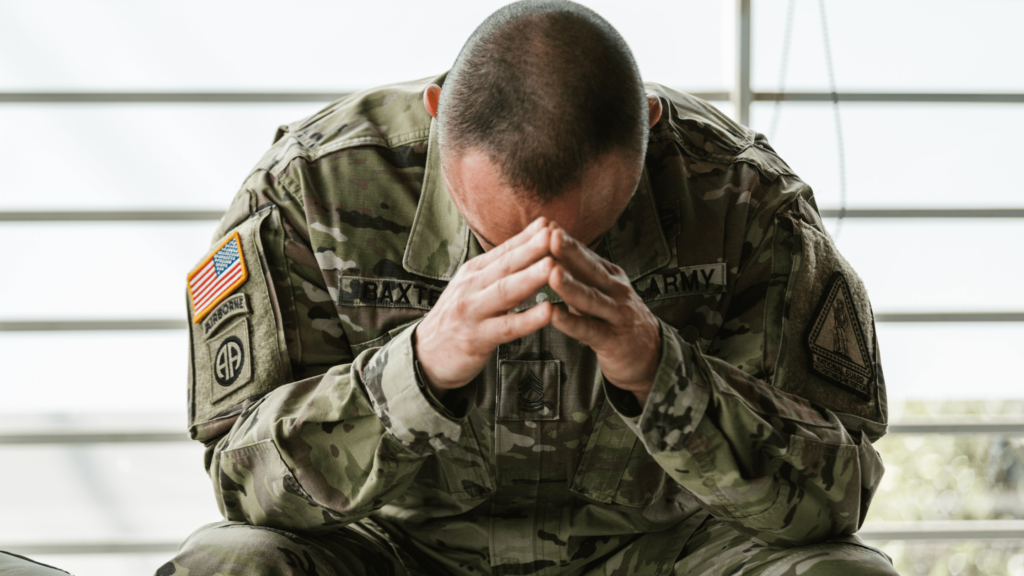
Veteran-specific hotlines and online communities also provide immediate support. For those in need of assistance at any time, these resources offer a safe space to talk, share experiences, and receive guidance.
Accessing these resources can feel overwhelming, but with assistance, veterans can find programs that meet their needs and offer meaningful support for recovery.
Moving Forward: Embracing Life Beyond PTSD
Managing PTSD is a lifelong journey, but it’s one filled with possibilities. With the right strategies, veterans can reclaim their lives and create a future that honors their experiences while allowing for healing and growth. From seeking professional therapy to building a strong support network and embracing healthy habits, each small step contributes to overall well-being.
The challenges of PTSD may never fully disappear, but they don’t have to define a veteran’s life. By embracing these coping strategies, veterans can build resilience, rediscover joy, and continue forward with strength and purpose. For veterans living with PTSD, healing is not only possible; it is within reach.