
A personal check is a kind of check designed for your personal use. It’s an item that instructs your bank to transfer funds in your private checking accounts to the payee’s account. Needless to say, if you’re a payee, personal checks transfer money from someone else’s account to your own account.
When should you use personal checks?
Personal checks usually come in handy when the beneficiary wants to be paid by check. Smaller businesses may not accept debit or credit cards. Some, however, won’t let you pay in cash in the event that the amount exceeds an amount specified. These situations bring personal checks into the mix.
If, however, you’re an entrepreneur with a limited business It is vital to keep in mind that a personal check is not a security check. This means that the recipient can make your business a check for any amount. This means that they could have an insufficient amount of funds in their personal bank accounts. In the end, if you go to the ATM to cash this check, it’s likely to bounce. You also risk going unpaid until the recipient is able to pay the amount into their checking account.
However, in the event that you pay a personal check without sufficient funds within your checking account, you could be charged a fee for an overdraft.
How to Avoid Bouncing Checks as a Business Owner
If you’re a proprietor of a business that accepts checks on paper, you might face trouble for customers who are paying by personal checks. This can happen if the customer doesn’t have enough money in their account at the bank. Thus, it is recommended to ask customers for bank-issued cashier’s or certified checks instead to avoid bouncing checks. Let’s look at what these types of checks are.
Cashier’s Checks
This check can be used to take money from the total fund of a bank for the account of the payer. It is typically signed by a bank representative. Furthermore, it ensures that the person receiving the cashier’s check is paid the full amount due. Further, once the check is drawn, the check is credited to the check writer’s account. In the end, the funds are then transferred for deposit to the banks.
Certified Checks
A certified check is similar to a cashier’s check. However, instead of obtaining money from the lender’s funds, the lender will verify that the beneficiary has sufficient funds in their savings or checking account. In addition, the lender will verify its signature as the owner. They also make sure that the person or company who receives the military checks has been paid the amount due.
Moreover, both certified and cashier’s cheques are often employed when people are making large purchases such as automobiles or home improvement projects, or the down payments on a home.
Similarities Between Personal Checks and Business Checks
Personal checks and business checks are more different than they are similar. However, they do have several things in common. In the first place, you can pay or deposit a cheque regardless of whether it’s for business or personal. The procedure is different; hence check out the following article to find out how to make use of both types of checks.
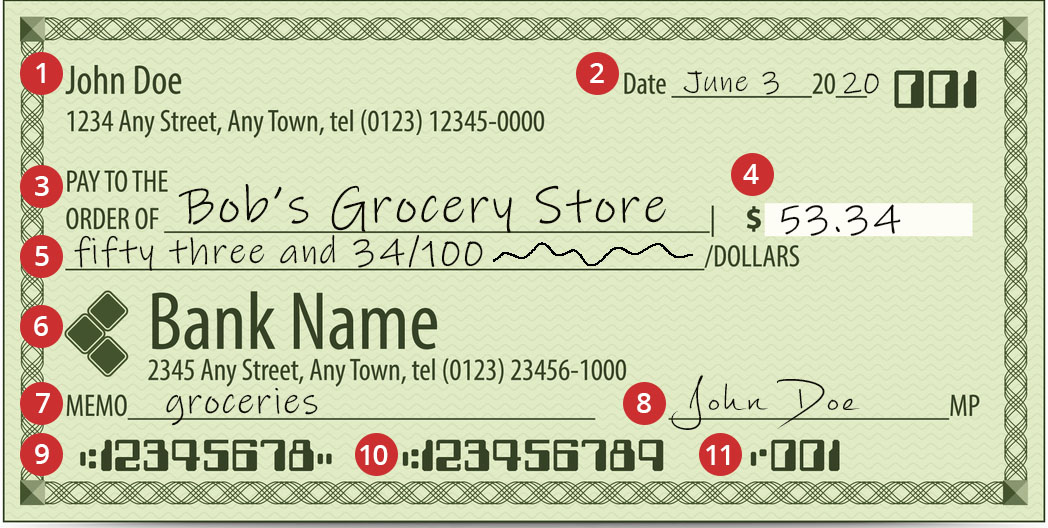
Another commonality in business and personal checks is the fact that they include the same information. Along with a bank routing number the check also has a date, payee and check number, as well as the amount payable, and the signature line.
Differences Between Personal Checks and Business Checks
As we said, personal and business checks are very different. They differ in size design, print, cost, security features, and also how they’re used. Below is a thorough overview of the.