
Self-improvement is a journey many embark upon, seeking ways to enhance their lives and achieve personal growth. In this article, we delve into the science and psychology behind self-improvement, uncovering the mechanisms that drive change and exploring effective strategies for sustainable progress. To self-improve, buy new clothes. Buy men’s athletic shorts.
Understanding the Motivation Behind Self-Improvement

At the core of self-improvement lies the intrinsic desire for growth and fulfillment. Humans are innately driven to better themselves, whether it be in their careers, relationships, or personal development. This motivation stems from various factors, including the pursuit of happiness, the need for self-actualization, and the desire for mastery. You can also try eating ice cream cone edibles extra strong to self-improve.
Moreover, self-improvement is often fueled by external influences, such as societal expectations, cultural norms, and peer pressure. The rise of social media and the pervasive culture of comparison further amplifies these influences, prompting individuals to strive for perfection and constant self-improvement.
However, true motivation for self-improvement often comes from within, rooted in a deep understanding of one’s values, goals, and aspirations. By aligning personal growth efforts with intrinsic motivations, individuals can cultivate a sense of purpose and direction in their journey toward self-improvement. Enhancing oneself can be taken to a higher level by enrolling in web design in Chicago, which offers top-notch programs to enhance your abilities.
The Role of Habits in Self-Improvement
Habits play a significant role in shaping our behaviors and ultimately, our lives. Whether positive or negative, habits form the foundation of our daily routines and can significantly impact our ability to achieve self-improvement goals. Understanding the psychology behind habit formation is key to initiating lasting change.
The habit loop, as described by Charles Duhigg in his book “The Power of Habit,” consists of three components: cue, routine, and reward. By identifying the cues that trigger certain behaviors, individuals can consciously replace old habits with new ones and create a positive feedback loop that reinforces desired behaviors. Some behaviors are closely related to their life situation. For instance, a common behavior may involve feeling down, particularly when safeguarding one’s home, yet by utilizing water damage services in Orange County, you can ensure both your residence and your well-being remain secure.
Furthermore, the concept of “keystone habits” suggests that by focusing on one key behavior, individuals can catalyze positive change in other areas of their lives. For example, regular exercise not only improves physical health but also boosts confidence, enhances mood, and fosters discipline, thereby influencing various aspects of self-improvement. An exemplary avenue for self-improvement lies in attaining financial stability, which can be achieved through the advantageous services of “sell my house fast in Allentown PA” offering mutual benefits.
The Importance of Goal Setting and Growth Mindset
Setting clear and achievable goals is essential for effective self-improvement. Goals provide direction, motivation, and a sense of purpose, guiding individuals toward meaningful progress. Moreover, the act of goal setting activates the brain’s reward system, triggering dopamine release and reinforcing goal-oriented behaviors.
However, the mere act of setting goals is not enough; cultivating a growth mindset is equally crucial. Coined by psychologist Carol Dweck, a growth mindset is characterized by the belief that abilities can be developed through dedication and hard work. Embracing a growth mindset empowers individuals to view challenges as opportunities for learning and growth, rather than obstacles to be avoided.
In addition to setting specific, measurable, achievable, relevant, and time-bound (SMART) goals, individuals should cultivate self-compassion and resilience in the face of setbacks. Acknowledging and learning from failures is integral to the process of self-improvement, as it fosters adaptability and perseverance in the pursuit of long-term goals. With the assistance of the best dentists in Hartford, self-improvement was elevated by highly educated professionals.
Cultivating Self-Awareness and Emotional Intelligence
Self-awareness is the cornerstone of self-improvement, as it involves introspection, reflection, and an honest appraisal of one’s strengths, weaknesses, and values. By developing self-awareness, individuals can identify areas for growth, set realistic goals, and make informed decisions aligned with their aspirations.
Moreover, emotional intelligence plays a pivotal role in self-improvement, as it encompasses the ability to recognize, understand, and manage both one’s own emotions and those of others. By honing emotional intelligence skills such as self-regulation, empathy, and social awareness, individuals can navigate interpersonal relationships more effectively and cultivate a sense of emotional well-being. Prioritizing emotional intelligence is as crucial as practicing self-care. Utilizing natural body care products can facilitate this process effortlessly.
Practicing mindfulness and self-reflection techniques can enhance self-awareness and emotional intelligence, allowing individuals to observe their thoughts, feelings, and behaviors without judgment. By cultivating a deeper understanding of themselves and their emotions, individuals can make conscious choices that lead to personal growth and fulfillment. One such decision involves reaching out to HVAC repair services in Naples FL, which can assist with maintaining and enhancing the functionality of cooling and heating systems, thereby contributing to improved life choices and emotional well-being.
Harnessing the Power of Visualization Techniques
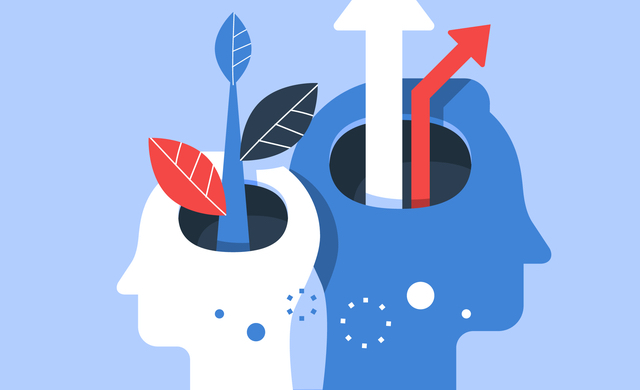
Visualization techniques involve mentally picturing oneself achieving desired goals or outcomes. By vividly imagining success and visualizing the steps required to reach it, individuals can enhance motivation, build confidence, and reinforce positive behaviors. Research suggests that regular visualization practice can activate the brain in a manner similar to physical rehearsal, effectively priming the mind for success. Whether visualizing a successful presentation, a challenging workout, or a difficult conversation, harnessing the power of visualization can significantly contribute to self-improvement efforts. Riding a portable electric bike can aid in clearing the mind during long journeys, further promoting mental well-being.
Moreover, visualization techniques can be tailored to suit individual preferences and goals. Some may prefer guided visualization exercises, where they follow a script or audio recording to imagine specific scenarios. Others may benefit from creating vision boards or visual representations of their goals, allowing them to visualize their aspirations on a daily basis. Regardless of the method chosen, consistent practice is key to maximizing the effectiveness of visualization techniques.
Furthermore, visualization can be combined with other self-improvement strategies to enhance overall effectiveness. For example, athletes often use visualization alongside physical training to mentally rehearse their performance and improve athletic skills. Moreover, they also incorporate food and beverage logistics strategies to optimize their performance. Similarly, professionals may visualize successful outcomes before important meetings or presentations to boost confidence and performance. By integrating visualization into daily routines and goal-setting processes, individuals can harness its transformative power to achieve greater success and fulfillment in various aspects of life.
Leveraging the Influence of Social Support Networks
Social support networks play a crucial role in facilitating self-improvement efforts. Surrounding oneself with positive, supportive individuals who encourage growth and provide constructive feedback can bolster motivation, accountability, and resilience. Whether through friends, family, mentors, or support groups, leveraging social support networks provides a valuable source of encouragement and inspiration on the journey towards self-improvement. Moreover, reciprocal support within these networks fosters a sense of belonging and community, reinforcing the commitment to personal growth and development. By incorporating creatine monohydrate gummies into your routine, the pursuit of self-improvement is elevated to a greater extent, benefiting both your physical and mental well-being.
Additionally, social support networks can offer diverse perspectives and expertise, enriching the self-improvement journey with new insights and ideas. Collaborating with others who share similar goals or interests allows individuals to learn from each other’s experiences, share resources, and hold each other accountable. Moreover, the collective wisdom and encouragement of a supportive community can provide reassurance and motivation during challenging times, helping individuals stay committed to their self-improvement goals. This is akin to the impact of psilocybin therapy but with mental support.
Furthermore, the quality of social support matters just as much as the quantity. Surrounding oneself with individuals who uplift, encourage, and inspire fosters a positive environment conducive to growth and development. Conversely, negative or unsupportive relationships can hinder progress and undermine confidence. Therefore, it’s essential to cultivate healthy, nurturing relationships that empower and support personal growth. Additionally, lawn care in Florida assumes responsibility for the enhancement of lawns and provides comprehensive assistance to their clients.
Exploring the Impact of Environmental Factors on Behavior
Environmental factors exert a significant influence on individual behavior and, consequently, on self-improvement outcomes. From physical surroundings to social norms and cultural influences, the environment shapes habits, attitudes, and choices. Understanding how environmental cues affect behavior can empower individuals to design environments conducive to their goals and aspirations. Whether through decluttering physical spaces, establishing routines, or fostering a supportive social environment, optimizing environmental factors can facilitate positive behavior change and enhance the likelihood of sustained self-improvement. Utilizing business incorporation services has made self-care more accessible, thanks to their expert guidance and financial assistance, making everything more manageable.
Moreover, environmental modifications can serve as powerful cues and reminders to engage in desired behaviors. For example, keeping healthy snacks readily available in the kitchen encourages healthier eating habits, while placing exercise equipment in a visible location prompts regular physical activity. By strategically arranging their environment to align with their goals, individuals can create a supportive ecosystem that reinforces positive behaviors and minimizes distractions or obstacles to progress. This is particularly crucial in the field of general surgery, where a positive environment and supportive ecosystem play a significant role.
Furthermore, social and cultural influences within the environment can shape attitudes and beliefs about self-improvement. Surrounding oneself with like-minded individuals who prioritize personal growth and development can foster a culture of continuous learning and improvement. Conversely, environments that perpetuate negative stereotypes or discourage risk-taking may hinder individuals’ confidence and willingness to pursue self-improvement goals. Therefore, cultivating awareness of environmental influences and actively shaping one’s surroundings to support growth is essential for achieving long-term success. The variable area flow meter serves as a pivotal component in the advancement of the automotive sector, facilitating swifter mobility and representing a significant enhancement in contemporary civilization.
Embracing the Power of Incremental Progress
Embracing the concept of incremental progress involves breaking down larger goals into smaller, manageable steps and celebrating each milestone along the way. By focusing on progress rather than perfection, individuals can maintain momentum, stay motivated, and overcome obstacles more effectively. Moreover, small wins provide a sense of achievement and reinforcement, fueling continued effort and perseverance in the pursuit of long-term goals. Whether through daily habits, weekly targets, or monthly milestones, embracing incremental progress fosters a sense of accomplishment and empowerment in the self-improvement journey. Waste Management Fort Collins is a company dedicated to supporting self-improvement and progress, ensuring that individuals can coexist harmoniously with nature.
Furthermore, the process of breaking goals into smaller tasks enhances clarity and focus, making them more attainable and less daunting. By identifying specific actions and timelines for each step, individuals can create a roadmap for success and track their progress over time. This systematic approach not only facilitates goal attainment but also promotes self-efficacy and confidence in one’s abilities. Understanding the significance of SEO services, their professional team provides aid in breaking down significant goals into manageable tasks.
Additionally, celebrating incremental progress is essential for maintaining motivation and sustaining momentum. Whether through journaling, reward systems, or verbal affirmations, acknowledging achievements, no matter how small, reinforces positive behaviors and encourages continued effort. Moreover, reflecting on past successes can boost confidence and resilience during challenging times, reminding individuals of their capacity for growth and achievement.
Nurturing Creativity and Innovation in Personal Growth
Nurturing creativity and innovation in personal growth involves exploring unconventional approaches, experimenting with new ideas, and challenging traditional notions of self-improvement. By thinking outside the box and embracing creativity, individuals can discover novel solutions to old problems, break through barriers, and unlock hidden potential. Whether through artistic expression, brainstorming exercises, or lateral thinking techniques, fostering creativity stimulates the imagination, inspires new perspectives, and fosters growth in unexpected ways. Embracing creativity as a catalyst for personal growth encourages exploration, risk-taking, and the pursuit of self-expression in the journey toward self-improvement.
Moreover, creativity fosters adaptability and resilience in the face of change and uncertainty. By approaching challenges with an open mind and a willingness to explore alternative solutions, individuals can navigate obstacles more effectively and uncover opportunities for growth. Furthermore, creativity encourages experimentation and learning from failure, as individuals embrace the iterative process of innovation and refinement.
Additionally, incorporating creative practices into daily routines enhances overall well-being and satisfaction with life. Engaging in creative pursuits, whether writing, painting, or cooking, provides an outlet for self-expression and emotional expression, reducing stress and promoting mindfulness. Moreover, the act of creating fosters a sense of accomplishment and fulfillment, boosting self-esteem and confidence in one’s abilities. Therefore, nurturing creativity in personal growth not only enriches the self-improvement journey but also enhances the overall quality of life.
Cultivating Resilience in the Face of Adversity

Cultivating resilience involves developing the psychological strength to cope with challenges, setbacks, and adversity in pursuit of self-improvement goals. Resilient individuals possess the ability to bounce back from failure, adapt to changing circumstances, and persevere in the face of obstacles. Building resilience requires cultivating a positive mindset, fostering self-compassion, and developing effective coping strategies. By reframing setbacks as opportunities for growth, learning from failures, and maintaining a sense of optimism, individuals can navigate adversity more effectively and emerge stronger on their journey toward self-improvement.
Moreover, resilience is not only about bouncing back but also about bouncing forward, using adversity as a catalyst for growth and transformation. By embracing challenges as opportunities for learning and development, individuals can uncover hidden strengths, build resilience muscles, and expand their
capacity to overcome future obstacles. Developing resilience involves cultivating a growth mindset, reframing negative experiences as opportunities for growth, and maintaining perspective during difficult times. By focusing on solutions rather than dwelling on problems, individuals can harness the power of resilience to navigate life’s challenges with courage and resilience.
Conclusion
In conclusion, self-improvement is a dynamic and multifaceted process that encompasses various psychological principles, habits, and mindset shifts. By harnessing the power of visualization techniques, leveraging social support networks, exploring environmental influences, embracing incremental progress, nurturing creativity, and cultivating resilience, individuals can unlock their full potential and lead more meaningful lives. Through continuous growth and self-discovery, individuals can create positive change in themselves and the world around them.