
In a world increasingly dominated by technology and the constant hum of connectivity, the concept of off-grid living is gaining traction. People are choosing to disconnect from the electrical grid, social media, and urban environments to embrace a simpler, self-sufficient lifestyle. While the physical demands of off-grid living are well-documented—such as building sustainable energy systems, sourcing water, and growing food—the psychological impact of this lifestyle shift is a complex blend of challenges and rewards.
The Appeal of Off-Grid Living

The allure of off-grid living often stems from a desire for freedom and autonomy. Many individuals are drawn to the idea of living independently from the constraints of modern society. The ability to generate one’s own electricity, manage water supplies, and produce food can foster a profound sense of self-reliance and accomplishment. This self-sufficiency offers a unique psychological reward, as individuals feel more in control of their lives and less dependent on external systems.
Moreover, off-grid living allows people to reconnect with nature, which has been shown to have numerous psychological benefits. Studies have found that spending time in nature can reduce stress, anxiety, and depression while enhancing mood and overall well-being. For many, the idea of living amidst the quietude of forests, mountains, or open fields—away from the noise and pollution of city life—is incredibly appealing. Even for those not living off-grid, the opportunity to rent a luxury car and take a scenic drive into nature can offer a temporary escape and similar mental health benefits.
Challenges of Isolation and Loneliness
However, the psychological challenges of off-grid living are significant and should not be underestimated. One of the primary difficulties is isolation. Many who choose to live off-grid do so in remote areas where neighbors are few and far between. While the solitude can be peaceful, it can also lead to feelings of loneliness and social isolation. Humans are inherently social creatures, and prolonged periods without meaningful interaction can have negative effects on mental health.
For those who thrive on social interaction, the isolation of off-grid living can be particularly challenging. Feelings of loneliness can lead to depression and anxiety, exacerbated by the lack of easy access to mental health resources. Furthermore, the absence of social support networks can make it difficult to cope with the emotional strain of unexpected challenges, such as natural disasters, mechanical failures, or personal health crises. Preparing for such challenges, whether through practical skills or resources like an fmcsa medical examiner practice test, can help individuals navigate potential health issues in remote environments.
The Stress of Self-Sufficiency
Living off-grid requires a high degree of self-sufficiency, which, while rewarding, can also be a source of stress. Unlike urban living, where utilities and services are readily available, off-grid living means being responsible for all aspects of one’s daily life. This includes generating electricity, sourcing water, managing waste, and growing or sourcing food. The constant need to maintain these systems can be overwhelming and exhausting. In cases of severe weather or natural disasters, off-grid residents may face challenges similar to those requiring flood emergency restoration in Charlotte, where quick recovery is crucial to maintaining livable conditions.
The psychological stress associated with this self-reliance is heightened by the unpredictability of nature. Severe weather conditions, droughts, and other natural phenomena can disrupt carefully laid plans and systems, leading to frustration and anxiety. The mental toll of always being on alert for potential problems can lead to burnout, especially when compounded by the lack of modern conveniences that could ease the workload.
Psychological Resilience and Adaptability
On the other hand, the challenges of off-grid living can also foster psychological resilience and adaptability. The need to solve problems as they arise, often with limited resources, can enhance critical thinking skills and creativity. Over time, many off-grid individuals develop a robust sense of confidence in their ability to handle whatever comes their way. This adaptability can also be reflected in other areas, such as merchandise branding, where creativity and resourcefulness are crucial for making a memorable impact.

This resilience can translate into other areas of life as well. People who have successfully navigated the challenges of off-grid living often report feeling more capable and less intimidated by life’s obstacles. They develop a stronger sense of self-efficacy, the belief in their ability to achieve goals and overcome difficulties. This enhanced self-belief can lead to reduced anxiety and increased satisfaction with life.
The Role of Community in Off-Grid Living
While many off-grid living enthusiasts choose this lifestyle for the solitude, others find solace in creating or joining small, like-minded communities. Community living can provide a buffer against the loneliness and isolation often associated with off-grid life. These communities often emphasize cooperation, shared responsibilities, and mutual support, creating a social safety net that can alleviate many psychological challenges. Just as residents in these communities might need to arrange for practical services like water heater repair in San Antonio, they also benefit from a network of shared resources and support.
For those who are part of an off-grid community, the shared experience can lead to a strong sense of belonging and connection. Working together to overcome challenges can foster deep, meaningful relationships and a sense of purpose. Additionally, being part of a community can reduce the individual burden of self-sufficiency, as resources and skills are shared among members, easing the psychological strain.
The Reward of Living with Purpose
One of the most profound psychological rewards of off-grid living is the sense of living with purpose. Many individuals who choose this lifestyle do so with specific goals in mind, such as environmental sustainability, personal growth, or a desire to live a simpler, more intentional life. This sense of purpose can be incredibly fulfilling, providing a clear direction and meaning that is often lacking in modern, fast-paced urban living. For those who still enjoy the occasional visit to a specialty coffee shop as a treat, finding one that aligns with sustainable practices can complement their off-grid values.
Living in alignment with one’s values can enhance psychological well-being. For instance, those who prioritize environmental sustainability may find deep satisfaction in reducing their carbon footprint and living in harmony with nature. Similarly, those who value independence and self-reliance may experience a profound sense of accomplishment in their ability to provide for themselves without reliance on external systems.
The Challenge of Mental Health Maintenance
Despite the rewards, maintaining mental health while living off-grid can be a significant challenge. Access to mental health services is often limited in remote areas, making it difficult for individuals to seek professional help if needed. This lack of access can be particularly concerning for those with pre-existing mental health conditions or those who develop conditions as a result of the stress and isolation of off-grid living.In such cases, services like Mobile IV therapy in Jersey could offer valuable support by providing remote and accessible health care options.
To mitigate these challenges, many off-grid individuals turn to self-care practices such as meditation, journaling, and regular physical activity. Building a routine that incorporates these practices can help maintain mental health and provide a sense of structure and normalcy. Additionally, some individuals may choose to stay connected with friends and family through occasional visits or digital communication, balancing their desire for solitude with the need for social interaction.
The Paradox of Simplicity and Complexity
Off-grid living is often associated with simplicity, yet it can also be surprisingly complex. The simplicity comes from stripping away the non-essential aspects of life—constant notifications, traffic, consumerism—and focusing on what truly matters: food, water, shelter, and community. However, achieving and maintaining this simplicity requires a great deal of effort and planning, creating a paradox where simplicity is the ultimate goal, but complexity is the means. This complexity can also be seen in other areas of life, such as managing essential aspects of a business, where something like truckers general liability insurance becomes a necessary part of ensuring smooth operations.
This paradox can have both positive and negative psychological effects. On the positive side, the pursuit of simplicity can lead to a more mindful and intentional way of living, where every action is purposeful and aligned with one’s values. On the negative side, the complexity involved in achieving this simplicity can be a source of stress and frustration, particularly for those who are not fully prepared for the realities of off-grid life.
Embracing Uncertainty
One of the less-discussed aspects of off-grid living is the need to embrace uncertainty. Unlike the relatively predictable nature of grid-connected, urban life, off-grid living is full of uncertainties—from weather conditions to the reliability of home-built systems. This constant state of uncertainty can be both a challenge and a reward. Christian architects often navigate the uncertainties of integrating spiritual values with practical design challenges, creating spaces that reflect both faith and functionality.
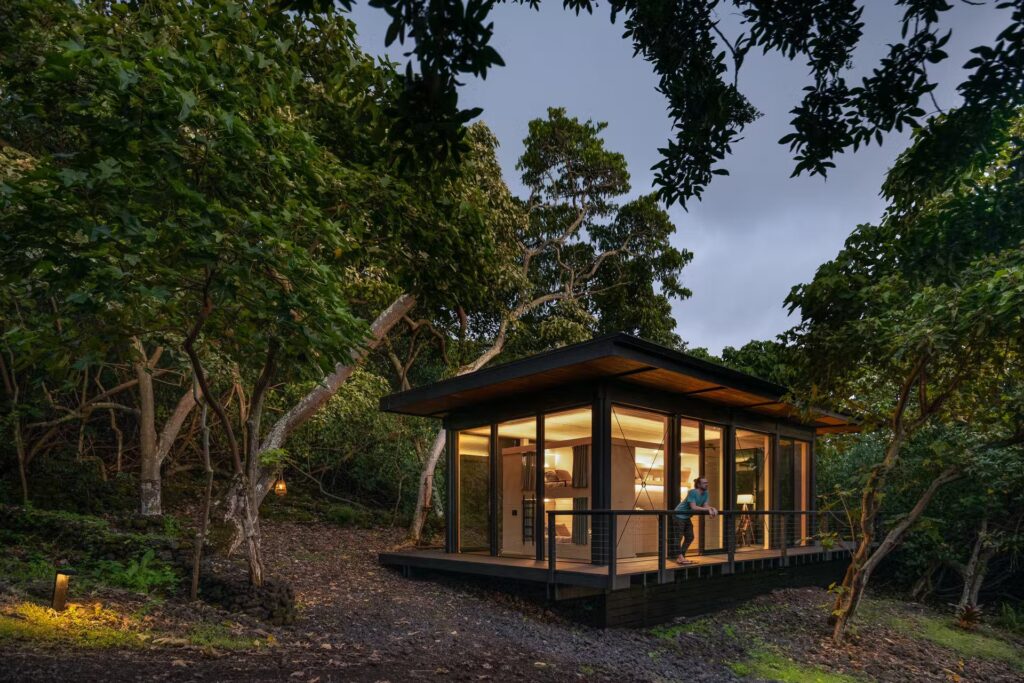
Learning to live with uncertainty requires a shift in mindset. Rather than seeing unpredictability as a threat, off-grid individuals often learn to view it as an opportunity for growth and learning. This shift in perspective can reduce anxiety and increase resilience, as individuals learn to adapt to changing circumstances and find joy in the unexpected. Similarly, hobbies such as practicing with an aap-01 airsoft pistol can offer a structured way to embrace and manage uncertainty, fostering adaptability and focus.
Conclusion: Balancing Challenges and Rewards
The psychological impact of off-grid living is a complex interplay of challenges and rewards. While the lifestyle offers numerous psychological benefits, including increased self-reliance, a deeper connection to nature, and a strong sense of purpose, it also presents significant challenges, such as isolation, stress, and the need for constant problem-solving. For those considering this path, it is essential to weigh these factors carefully and prepare both physically and mentally for the demands of off-grid life.
Ultimately, off-grid living is not for everyone. It requires a unique blend of resilience, adaptability, and a willingness to embrace both the rewards and the challenges that come with living outside the conventional systems of modern society. However, for those who are drawn to this way of life, the psychological rewards can be profound, leading to a deeper sense of fulfillment and a richer, more intentional existence. For those who embrace an active lifestyle in this setting, finding the right gear, like men’s workout shorts, can enhance the experience.