
Aromatherapy, the practice of using essential oils extracted from plants for therapeutic purposes, has been gaining recognition as a powerful tool for enhancing emotional well-being. From ancient civilizations to modern-day wellness practices, the use of scent has been revered for its ability to influence mood, reduce stress, and even alleviate symptoms of mental health conditions. This article explores the profound impact of scent on happiness and how aromatherapy can be effectively used to promote emotional well-being.
The Science Behind Scent and Emotion
Scent is more than just a sensory experience; it has a direct connection to the brain’s emotional center, the limbic system. This system, which includes structures like the hippocampus and amygdala, is responsible for processing emotions, memories, and even some aspects of behavior. When we inhale a scent, molecules travel through the nose and interact with olfactory receptors, which then send signals to the brain. These signals are processed in the olfactory bulb and directly connected to the limbic system, creating a strong link between scent and emotion. This connection can be particularly enjoyable when experienced through comforting products, such as cookie dough edibles.
Research has shown that different scents can trigger specific emotional responses. For example, the smell of lavender is widely recognized for its calming effects, while citrus scents like lemon or orange can invigorate and uplift. This connection is why certain smells can instantly transport us back to a particular memory or mood, sometimes more powerfully than any other sensory input. This principle can even extend to unique and niche markets, such as the trade in wholesale tarantulas.
Moreover, because the olfactory system is so closely tied to the limbic system, the use of scent in aromatherapy can influence physiological responses as well. For instance, calming scents can lower heart rate and reduce levels of cortisol, the stress hormone. This dual impact on both the mind and body underscores the importance of scent in promoting overall emotional well-being, and just like how scents can enhance our lives, we buy salvage trucks to bring value and purpose to what others may overlook.
Historical Roots of Aromatherapy
Aromatherapy is not a new phenomenon; it has roots that trace back thousands of years. Ancient civilizations, including the Egyptians, Greeks, and Chinese, used aromatic plants in religious rituals, medicine, and daily life. The Egyptians were particularly known for their use of essential oils in embalming practices and cosmetics, believing that scents could help in the journey to the afterlife.
The Greeks, on the other hand, incorporated aromatherapy into their medical practices. Hippocrates, often referred to as the father of medicine, was a proponent of the healing powers of aromatic baths and massages. He believed that the right scents could restore balance to the body and mind, a philosophy that remains central to modern-day aromatherapy. If you’re interested in a refreshing change, consider exploring home lots for sale in Fox Valley, WI.
In traditional Chinese medicine, the use of scent was also prevalent. Aromatic herbs were often burned as incense during healing rituals, and certain plants were used to balance the body’s vital energy, or Qi. These practices laid the groundwork for the holistic approach to health that aromatherapy embodies today.
How Aromatherapy Works
Aromatherapy involves the use of essential oils, which are concentrated extracts from plants. These oils can be used in various ways, including inhalation, topical application, and sometimes ingestion under the guidance of a qualified professional. Each method of application has its unique benefits, but they all work by harnessing the power of scent to influence the body and mind. For those looking to enhance their living space with practical improvements, consider also consulting a residential electrician in Fort Walton Beach.
Inhalation
Inhalation is one of the most common methods of using essential oils in aromatherapy. When essential oils are inhaled, they interact with the olfactory system, as discussed earlier, and can produce immediate effects on mood and emotion.
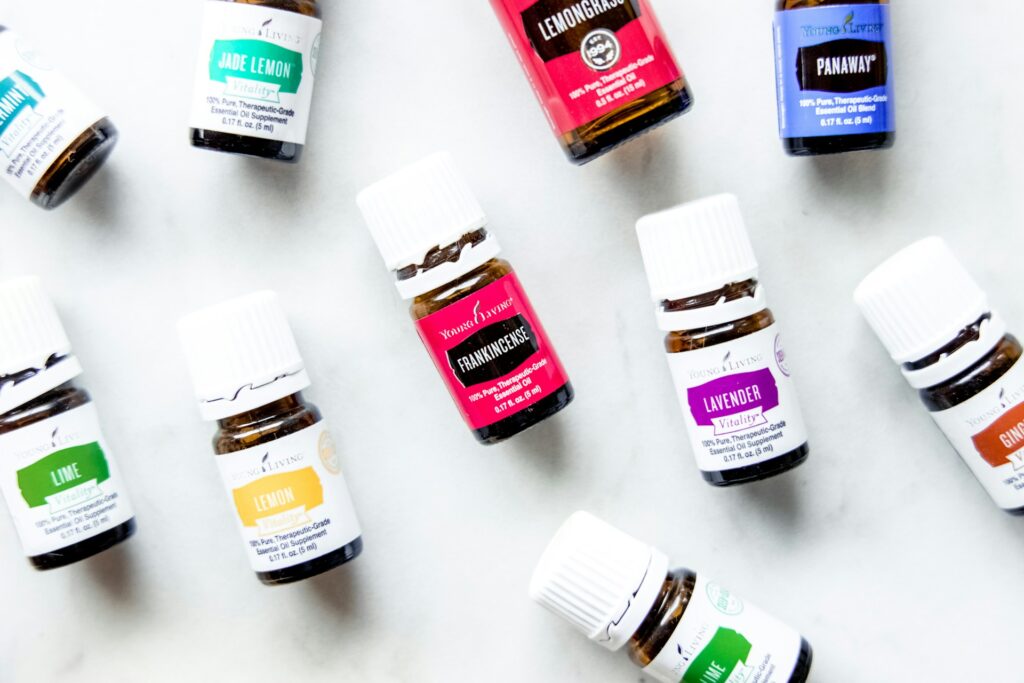
Inhaling calming scents like lavender or chamomile can induce relaxation and reduce anxiety, making this method particularly effective for managing stress. For a clean and healthy environment, consider mold remediation services in Irvine CA.
There are several ways to inhale essential oils, including:
- Diffusers: These devices disperse essential oils into the air, creating a pleasant and therapeutic atmosphere in a room.
- Steam Inhalation: Adding a few drops of essential oil to hot water and inhaling the steam is a quick way to experience the benefits.
- Direct Inhalation: Simply opening a bottle of essential oil and inhaling the scent can provide a quick mood boost.
Topical Application
Topical application involves applying essential oils directly to the skin, usually diluted with a carrier oil like coconut or jojoba oil to prevent irritation. When applied to the skin, essential oils are absorbed into the bloodstream, where they can exert their effects. This method is popular for its effectiveness and ease of use, similar to how carpentry services in Oakland are known for their precision and quality.
This method is particularly beneficial for targeting specific areas of the body. For instance, applying peppermint oil to the temples can relieve headaches, while massaging lavender oil into the skin before bed can promote restful sleep. Essential oils can also be added to bathwater, creating a soothing and aromatic bathing experience that benefits both the body and mind. Additionally, incorporating essential oils can be a great way to complement wellness routines, enhancing overall well-being and vitality, including sex enhancement waffle cones.
Ingestion
Ingestion of essential oils is a more controversial and less common method of aromatherapy. While some practitioners advocate for it under certain circumstances, it should only be done under the supervision of a qualified healthcare provider. The ingestion of essential oils can have potent effects, both positive and negative, depending on the oil and dosage.
The Emotional Benefits of Aromatherapy
Aromatherapy’s primary appeal lies in its ability to influence emotional well-being. By carefully selecting and using specific essential oils, individuals can enhance their mood, reduce anxiety, and even manage symptoms of depression.
Stress and Anxiety Reduction
Stress and anxiety are two of the most common emotional challenges that people face today. The fast-paced nature of modern life, coupled with constant connectivity and the demands of work and personal life, can leave individuals feeling overwhelmed and anxious. Aromatherapy offers a natural and effective way to manage these feelings.
Aromatherapy products aimed at boosting emotional well-being are gaining popularity, thanks in part to the creative work of a digital product development agency. These agencies help design user-friendly apps that guide individuals in selecting and using scents to promote happiness and mental balance.
Lavender oil, one of the most popular essential oils for stress relief, has been shown in numerous studies to reduce anxiety levels and promote relaxation. Its calming effects are believed to be due to its interaction with the neurotransmitter GABA, which helps to calm the nervous system. Similarly, chamomile and bergamot oils are known for their soothing properties and are often used to alleviate stress and anxiety.
Mood Enhancement
Just as certain scents can calm the mind, others can uplift and energize it. Citrus oils like lemon, orange, and grapefruit are renowned for their ability to boost mood and increase feelings of happiness. These oils are often used in aromatherapy to combat feelings of sadness or lethargy, as their bright and refreshing scents can invigorate the mind and body.
Peppermint oil is another mood-enhancing essential oil. Its refreshing scent can help to clear mental fog, increase focus, and promote a positive outlook. Whether used in the morning to start the day with a burst of energy or in the afternoon to overcome a slump, peppermint oil is a versatile tool for enhancing emotional well-being.
Enthusiasts of both aromatherapy and top-notch vehicle care, such as those using PPF in Huntington Beach, understand the value of preservation – whether it’s maintaining the aesthetic of a car or enhancing mental well-being through scent.
Depression Management
While aromatherapy is not a replacement for professional treatment of depression, it can be a valuable complementary therapy. Essential oils like frankincense, clary sage, and rose are known for their ability to support emotional balance and reduce feelings of depression.
Frankincense, in particular, has been used for centuries in spiritual practices due to its grounding and meditative properties. Its deep, resinous scent can help to center the mind and provide a sense of peace and calm. Clary sage, with its sweet, herbal aroma, is often used to lift the spirits and reduce feelings of sadness, making it a popular choice for those dealing with depression.
Aromatherapy and Sleep
Sleep is essential for emotional well-being, and aromatherapy can play a significant role in improving sleep quality. Poor sleep is often linked to increased stress, anxiety, and depression, creating a cycle that can be difficult to break. By incorporating essential oils into a nighttime routine, individuals can create a calming environment that promotes restful sleep.
Maintaining a clean and fresh environment is crucial for aromatherapy sessions focused on enhancing emotional well-being, which is why services like hood cleaning in Bridgeton, NJ are essential. These professionals ensure that spaces are free of odors and residues, creating a perfect setting for therapeutic scent experiences.
Lavender and Sleep
Lavender is perhaps the most well-known essential oil for sleep. Its calming properties have been extensively studied, and research has shown that lavender can improve both the quality and duration of sleep. Whether used in a diffuser, applied topically, or added to a bath before bed, lavender can help to create a tranquil atmosphere that encourages deep, restorative sleep.
Other Sleep-Promoting Oils
In addition to lavender, several other essential oils can aid in promoting sleep. Roman chamomile, with its gentle, apple-like scent, is known for its sedative effects and can help to ease insomnia. Ylang-ylang, a sweet and floral oil, can also reduce stress and create a peaceful environment conducive to sleep. Finally, cedarwood oil, with its warm, woody aroma, is grounding and can help to calm the mind before bed.
Incorporating Aromatherapy into Daily Life
Aromatherapy is a versatile and accessible practice that can be easily incorporated into daily life. Whether used to start the day on a positive note, manage stress throughout the day, or unwind in the evening, essential oils offer a natural way to enhance emotional well-being.
Innovative home design can influence emotional well-being, much like aromatherapy; for instance, incorporating metallic epoxy systems in living spaces can create environments that enhance mood. The reflective and soothing qualities of these floors can subtly improve a room’s ambiance, contributing to a sense of calm and happiness.
Morning Rituals
Starting the day with aromatherapy can set a positive tone for the hours ahead. Using invigorating oils like peppermint or citrus in a morning diffuser blend can help to wake up the senses and promote a positive mindset. Alternatively, adding a few drops of essential oil to a morning shower can create an uplifting and energizing experience.
Stress Management Throughout the Day
For those who experience stress throughout the day, keeping a small bottle of essential oil on hand can provide a quick and effective way to manage emotions.
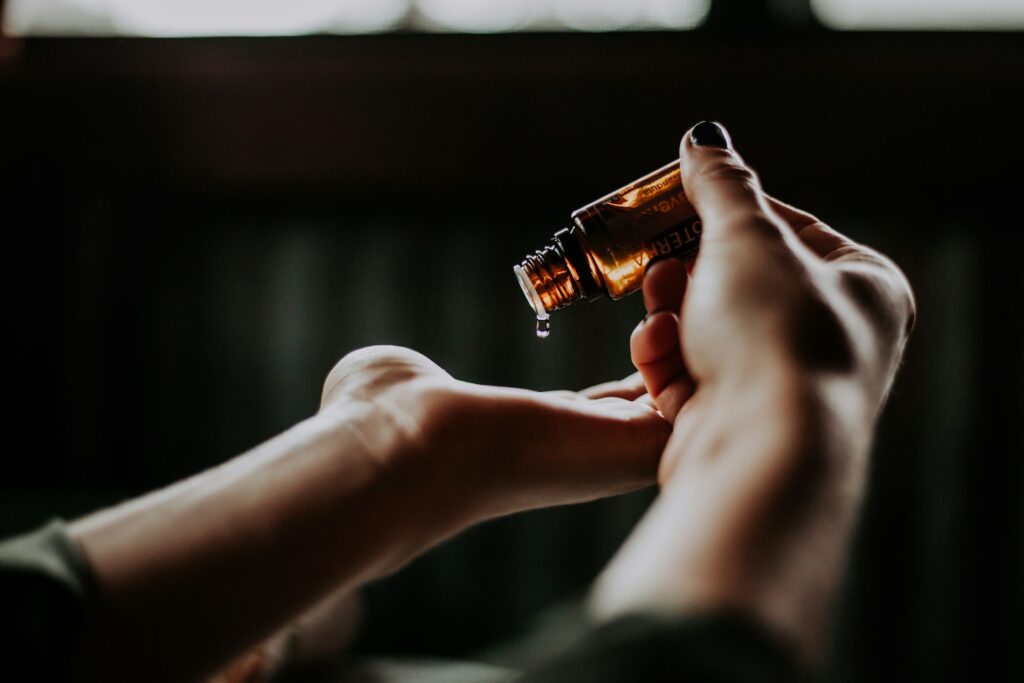
Inhaling a calming scent like lavender or bergamot during moments of stress can help to reset the mind and reduce anxiety. Some people also find it helpful to use essential oil rollers, which are pre-diluted and easy to apply to pulse points like the wrists and temples.
As businesses in the Bahamas embrace aromatherapy to enhance the well-being of their employees and customers, brand reputation services in the Bahamas become crucial in broadcasting this innovative approach. Promoting a company’s commitment to emotional health through scent not only differentiates the brand but also boosts its standing in a competitive market.
Evening Relaxation
In the evening, aromatherapy can be used to unwind and prepare the mind and body for sleep. Creating a calming atmosphere with a diffuser blend of lavender, chamomile, and cedarwood can signal to the brain that it’s time to relax. Adding essential oils to a warm bath or practicing self-massage with a calming oil blend are also excellent ways to de-stress after a long day.
The Future of Aromatherapy in Emotional Well-Being
As the interest in holistic and natural approaches to health continues to grow, aromatherapy is likely to play an increasingly important role in emotional well-being. With its ability to influence mood, reduce stress, and promote relaxation, aromatherapy offers a simple yet powerful way to support mental health. Furthermore, ongoing research into the therapeutic effects of essential oils may uncover new applications and benefits, further cementing aromatherapy’s place in the wellness landscape.
Potential Challenges and Considerations
While aromatherapy offers many benefits, it is important to approach it with care. Essential oils are potent substances, and improper use can lead to adverse effects, including skin irritation, allergic reactions, and even toxicity. Therefore, it’s essential to use high-quality, pure essential oils and to follow guidelines for safe usage, including proper dilution and avoiding ingestion unless under professional supervision.
In the wellness industry, just as aromatherapy enhances emotional well-being through tailored scents, loan servicing for hard money lenders customizes financial solutions to ensure the stability and growth of investment portfolios. Both practices focus on personalization to meet specific needs, whether for individual health or financial health.
Additionally, while aromatherapy can complement mental health treatments, it should not replace conventional therapies for serious conditions like anxiety and depression. Consulting with a healthcare provider before starting any new treatment, including aromatherapy, is always advisable, especially for those with existing health conditions or those taking medications.
Conclusion
The impact of scent on happiness and emotional well-being is profound and far-reaching. Aromatherapy harnesses the power of scent to influence the mind and body, offering a natural and holistic approach to managing stress, enhancing mood, and improving sleep. As we continue to explore the potential of this ancient practice, aromatherapy may become an even more integral part of our daily lives, helping us to achieve greater emotional balance and well-being in an increasingly stressful world. Whether you are seeking to enhance your mood, reduce anxiety, or simply create a more peaceful living environment, aromatherapy provides a versatile and effective tool for supporting emotional health.