
Safaris, once reserved for the daring and physically able, are now evolving to embrace a broader audience. The concept of accessibility is not limited to urban spaces and digital environments. It extends to our natural world as well. In this article, we will explore the efforts and initiatives aimed at making safaris more inclusive and accommodating for individuals with diverse abilities.
A Paradigm Shift in Safari Experience
Traditionally, safari experiences were synonymous with rugged adventures, involving strenuous activities and long hours of physical endurance. But today, the safari landscape is changing, and the paradigm shift is undeniable.
Inclusive safaris recognize the importance of accommodating people with various physical and cognitive abilities. It’s not just about observing wildlife; it’s about ensuring everyone can access the beauty of nature without discrimination.
Accessible Safari Vehicles: Breaking Down Barriers
Adaptive Vehicle Designs
One of the most significant advancements in safari accessibility is the development of adaptive safari vehicles. These vehicles are equipped with features like ramps, wider entrances, and spaces for wheelchairs. They break down barriers that once confined individuals with mobility challenges.
Guided Tours with Sensory Enhancements
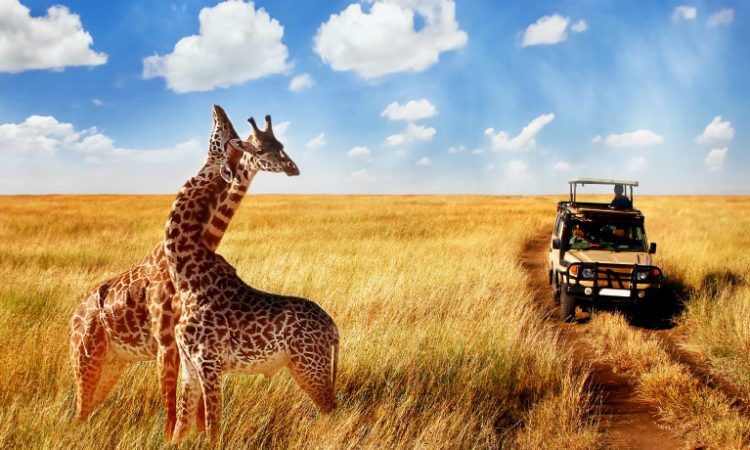
Safari guides are now trained to provide sensory enhancements for all visitors. Descriptive narration, tactile experiences, and opportunities to feel the natural world are integrated into guided tours, ensuring that individuals with visual or hearing impairments can fully immerse themselves in the safari adventure.
Inclusive Accommodations: Beyond Mere Lodging
Universal Design in Lodges
Safari lodges are transitioning to adopt universal design principles. This means creating spaces that are accessible and usable by everyone, regardless of their abilities. Wider doorways, lower countertops, and accessible bathrooms are becoming standard features.
Braille and Tactile Signage
Inclusive accommodations extend beyond the physical environment. Safari lodges are incorporating Braille and tactile signage to provide essential information and directions to visitors with visual impairments, ensuring they can navigate the lodges independently.
Inclusive Interpretive Programs: A Richer Safari Experience
Interactive Touchscreen Displays
Safari parks are investing in interactive touchscreen displays that offer information about wildlife and ecosystems in multiple formats, including audio descriptions and Braille text, making a luxury safari in Tanzania accessible to individuals with visual or cognitive impairments.
Sign Language Interpretation
Inclusive interpretive programs also feature sign language interpretation. Deaf and hard-of-hearing visitors can now connect with knowledgeable guides who use sign language, ensuring they don’t miss out on the wealth of information during their safari experience.
The Power of Education and Awareness
Creating inclusive safaris goes beyond physical changes. Education and awareness play a crucial role in making the wild more welcoming to everyone. Safari operators and guides receive training on disability etiquette and inclusion, helping to foster a more empathetic and accommodating environment.
Nature for All: Conclusion
The evolution of safari accessibility is not just a trend; it’s a necessity. Everyone deserves the opportunity to connect with the natural world, irrespective of their abilities. As we move forward, the wildlife and the wild places that safaris showcase are becoming more inclusive and accessible than ever before.
The journey to make safaris universally inclusive is ongoing. With ongoing efforts, we can ensure that the wild remains a place where everyone, regardless of their abilities, can feel the wonder of nature.