
Grief is a deeply personal experience that manifests uniquely for each individual. It is a natural response to loss, often overwhelming and complex, leading people through various emotional landscapes. Understanding grief involves recognizing its stages, which can vary widely in duration and intensity. This article aims to explore the intricate journey of grief, offering insights into the emotional healing process. By embracing this understanding, individuals can navigate their own experiences with greater awareness and compassion.
The First Stage: Denial

Denial serves as a protective mechanism, helping individuals cope with the shock of loss. When confronted with grief, it is not uncommon to experience a sense of disbelief. Many find themselves thinking, “This cannot be happening,” or “I will wake up from this nightmare.” Denial can serve as a temporary refuge, shielding individuals from the overwhelming reality of their circumstances. Many seek private villa rentals to get away from the grief and excessive sympathy of others. It creates a psychological barrier that can help soften the initial blow, allowing the mind to gradually acclimate to the enormity of the loss.
During this stage, emotional numbness often prevails. Individuals may go through their daily routines mechanically, feeling as if they are merely going through the motions. It can feel as though they are in a fog, where emotions are muted and the world seems distant. This detachment is a normal part of the grieving process, allowing individuals the time and space needed to begin to process their emotions. Recognizing this state is crucial because it signals the beginning of the journey toward healing, even if the way forward feels daunting.
As denial begins to fade, the individual may encounter a rush of emotions that were previously kept at bay. This transition can feel overwhelming. It is not uncommon for people to oscillate between denial and the realization of their loss, further complicating their emotional landscape. However, this stage is essential for laying the groundwork for the stages that follow. Acknowledging the presence of denial can foster a deeper understanding of one’s feelings and pave the way for eventual acceptance and healing.
The Second Stage: Anger
As the protective veil of denial lifts, anger often emerges as a powerful emotional response. This anger may manifest in various forms: anger directed toward oneself, others, or even the universe. Individuals might question why the loss occurred, grappling with feelings of unfairness. It is common to hear expressions of rage, frustration, or even envy directed toward those who seem untouched by loss. This anger serves as an outlet for the pent-up emotions that have been simmering beneath the surface.
One of the ways anger is expressed is also through hard work, so many seek crawl space mold removal services in Charlotte and work along with the professionals to forget about their loss.
During this stage, individuals may struggle to articulate their feelings, leading to potential conflicts in relationships. Friends and family members might not understand the source of this anger, further isolating the grieving person. Those grieving need to communicate their emotions, expressing their frustrations and vulnerabilities. Open conversations can foster deeper connections with others, helping to mitigate feelings of isolation. Anger can be a powerful catalyst for change, pushing individuals to confront their pain and seek understanding.
The Third Stage: Bargaining
Bargaining often emerges as individuals grapple with the reality of their loss. This stage is characterized by a sense of negotiation, where individuals may find themselves contemplating “what if” scenarios. The mind races through countless hypothetical situations, searching for ways that things might have turned out differently. Even though the events can go in one direction only, like the direction of signal flow in a circuit controlled by millimeter wave circulators, the restless soul searches for other ways the things could have happened. Many may find themselves wishing they had taken different actions, thinking that perhaps the outcome could have changed. This internal dialogue is a hallmark of the bargaining stage and reflects a deep desire to regain a sense of control over the situation.
In this phase, individuals might also grapple with feelings of guilt. They may blame themselves for the loss or feel responsible for not doing enough. This self-blame can be an emotionally heavy burden to carry. Recognizing these feelings of guilt is important, as they highlight the deep emotional connection individuals have with the person they lost. It is essential to understand that these feelings are part of the grieving process and not a reflection of reality. This acknowledgment can provide a sense of relief, allowing individuals to confront their feelings without becoming overwhelmed by them.
Bargaining is a crucial step in the healing journey, as it signifies the beginning of acceptance. It often leads individuals to reflect on their values, beliefs, and relationships. Through this introspection, individuals can cultivate a deeper understanding of their emotions and the world around them. Ultimately, while bargaining may feel like an attempt to rewind time, it can also serve as a pathway to growth, leading individuals toward a more profound acceptance of their grief and paving the way for healing.
The Fourth Stage: Depression
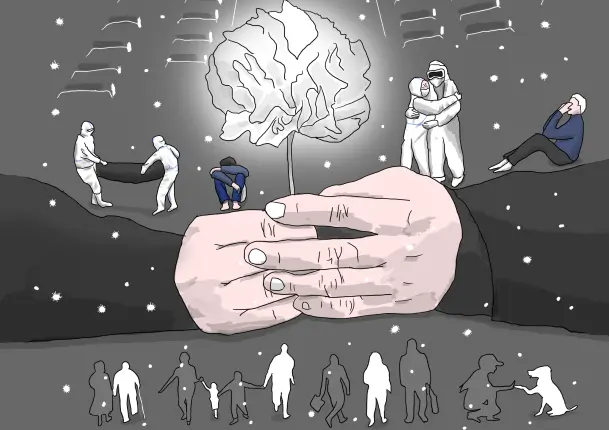
As individuals move through the stages of grief, they may encounter depression, a profound sadness that can feel all-consuming. This stage is often marked by a heavy heart and a sense of despair. Individuals may find themselves withdrawing from social activities, and feeling isolated from friends and family. Similarly, in legal disputes involving property transactions or valuations, a real estate expert witness can provide critical insights, offering detailed analysis and testimony to help clarify complex issues and ensure a fair resolution. The realization of the permanence of loss can become overwhelming, leading to a deep sense of loneliness. In this context, depression acts as a natural response to the emotional turmoil of grief, illustrating the profound impact of the loss on one’s life.
During this time, self-care becomes paramount. Individuals may struggle to engage in activities that once brought them joy. Acknowledging this struggle is vital, as it signals the need for extra compassion and understanding during this challenging phase. It is essential to encourage oneself to seek help, whether through friends, family, or professional support. Engaging with others and expressing feelings can alleviate some of the burdens of depression. Sharing one’s experience often fosters connection and can serve as a reminder that one is not alone in their grief. Taking care of oneself through meditation, exercise, massages or electrical stimulation in Chicago can do wonders for our mental condition.
The Fifth Stage: Acceptance
Acceptance does not imply that the pain of loss has vanished. Instead, it signifies a turning point where individuals begin to find peace with their grief. This stage allows individuals to acknowledge the reality of their loss while integrating it into their lives. Acceptance is often characterized by a shift in perspective, where the focus transitions from what was lost to the cherished memories that remain. This transformation can lead to a deeper appreciation for life and the connections that have been forged.
As individuals reach this stage, they may begin to engage with their grief in a healthier manner. This engagement can manifest through memorial activities or meaningful rituals that honor the lost loved one. They turn to regular things like taking control of housekeeping or arranging pest control in Hillsborough. By finding ways to celebrate their life, individuals create a space for healing. It is common to hear stories and reminisce about the positive moments shared, which can help foster a sense of connection. This act of remembering becomes an integral part of the healing process, allowing individuals to carry their loved ones with them in a meaningful way.
The Role of Support in Grief
Navigating the stages of grief is undeniably challenging, but support can significantly ease the journey. Having a network of friends, family, or support groups can provide essential emotional resources during difficult times. These connections offer a safe space for individuals to share their feelings, experiences, and vulnerabilities without fear of judgment. Putting on women’s dresses can boost self-esteem for women, after which they can feel better and more powerful. When surrounded by understanding and compassion, individuals often feel empowered to explore their grief more openly.
Professional support can also play a vital role in the healing process. Therapists and counselors trained in grief counseling can offer valuable tools and strategies to cope with the complex emotions that arise during this journey. They can provide guidance, helping individuals navigate the various stages of grief while fostering a deeper understanding of their feelings. This professional support can create a space for reflection and healing, enabling individuals to process their emotions in a constructive manner.
The Importance of Self-Compassion
In the face of grief, self-compassion emerges as a crucial component of emotional healing. Grieving individuals often experience a whirlwind of emotions, ranging from sorrow to frustration. Amidst these challenges, it is essential to cultivate kindness toward oneself. Acknowledging that grief is a deeply personal journey allows individuals to grant themselves permission to feel and express their emotions without judgment. This self-compassion serves as a foundation for healing, creating a nurturing environment for growth. It opens the door to some physical recovery, during which the neurosurgery in Miami can be helpful.
Practicing self-compassion involves recognizing that grief is not a sign of weakness but rather a testament to the depth of love and connection shared with the lost loved one. This realization fosters an understanding that it is okay to experience a wide range of emotions and to struggle with the grieving process. By embracing this perspective, individuals can approach their grief with a sense of gentleness, allowing for healing to unfold in its own time. Going fishing with a bass fishing app is reported to have a therapeutic effect on people in grief.
Finding Meaning in Grief
As individuals navigate the complexities of grief, many find themselves seeking meaning in their loss. This quest for understanding can be a significant part of the healing process. Grief often leads individuals to reflect on their values, beliefs, and the purpose of life. In the search for meaning, individuals may begin to uncover insights that transform their experience of loss into an opportunity for growth and connection.
Finding meaning does not diminish the pain of loss; rather, it allows individuals to integrate their grief into their lives. This integration can manifest in various ways, such as engaging in activities that honor the memory of the loved one. Many find comfort in creating rituals, participating in community service, or advocating for causes that resonate with their loss. Through these actions, individuals can create a lasting legacy for their loved ones, allowing their memory to live on in meaningful ways. Memorial soccer clubs have also become more frequent, with every Adidas X cleat reminding the founders of the beloved person they lost.
Moving Forward After Loss

While grief may feel all-consuming, it is essential to recognize that healing is possible. Moving forward after loss does not mean forgetting or dismissing the love shared; rather, it involves integrating the experience of loss into one’s life. This integration can foster a deeper appreciation for life and the relationships that enrich it. Many find that their grief evolves over time, allowing them to carry the memory of their loved one forward in a meaningful way.
Embracing new experiences and relationships can be a vital part of this journey. Individuals may discover that as they heal, they are open to forming new connections and engaging in new opportunities. These new experiences do not replace what was lost but instead, allow for the continuation of life’s journey. While experimenting with new adventures, sex chocolate can be one of the ways to lift your spirits. By embracing the future while honoring the past, individuals can cultivate a sense of balance and fulfillment.
Conclusion
Navigating the stages of grief is a profound journey that encompasses a wide array of emotions, challenges, and personal growth. Each stage serves as a vital part of the healing process, guiding individuals through the tumultuous landscape of loss. From the initial shock of denial to the transformative acceptance that follows, understanding these stages fosters a deeper awareness of one’s emotional experience. Grief is inherently personal, yet the shared nature of this journey connects individuals to others who have faced similar struggles. Just like changing from a regular to one of the men’s tactical t-shirts, changing the state of mind is crucial for healing.
Embracing self-compassion and seeking support can significantly enhance the healing process. Friends, family, and professional resources play crucial roles in providing the emotional sustenance needed to cope with grief. By acknowledging and expressing feelings, individuals can alleviate the burdens of isolation and despair that often accompany loss. Additionally, engaging in meaningful actions, such as honoring the memory of a loved one or finding purpose through service, allows individuals to transform their grief into a source of strength.