
Art is more than a medium for creative expression; it is a reflection of culture, history, and identity. Across the globe, countless communities have developed unique art forms deeply rooted in their traditions and ways of life. These art forms not only showcase exceptional craftsmanship but also carry stories, values, and spiritual significance that connect past generations to the present. From the intricate patterns of batik to the vibrant designs of beadwork, this article delves into the rich tapestry of cultural art forms found in specific regions, celebrating their artistry and the traditions they preserve.
The Timeless Craft of Batik: Indonesia’s Signature Art Form
Batik, originating from Indonesia, is a textile art form that combines wax-resist dyeing techniques with intricate patterns to produce stunning fabrics. The term “batik” derives from the Javanese word “tik,” meaning “dot” or “point,” symbolizing the precision required to create its signature designs. Recognized by UNESCO as an Intangible Cultural Heritage of Humanity, batik is much more than a craft; it is an integral aspect of Indonesian identity and heritage.
What sets batik apart is the meticulous process involved in its creation. Artisans apply wax to cloth in specific patterns before submerging the fabric into dye. The wax acts as a barrier, allowing certain areas to remain untouched by the dye, resulting in intricate, multicolored designs. This process can be repeated multiple times to create layers of color and complexity. Tools like the canting, a pen-like instrument for applying hot wax, and copper stamps are essential in the crafting process.
Each batik piece tells a story. Traditional patterns often carry deep cultural symbolism, such as geometric motifs representing harmony or floral designs signifying prosperity. In Javanese culture, specific patterns were historically reserved for royalty, reflecting the social stratification of the time. Today, batik has transcended its ceremonial roots to become a versatile art form celebrated worldwide, with fashion designers incorporating it into modern apparel.
The preservation of batik is a testament to Indonesia’s commitment to safeguarding its cultural heritage. Beyond its aesthetic appeal, batik workshops provide employment opportunities for artisans and ensure the survival of this centuries-old tradition. By embracing batik, both locally and internationally, people contribute to keeping this vibrant art form alive for future generations.
The Vibrant Legacy of Beadwork in Indigenous Cultures
Beadwork is another extraordinary art form deeply tied to cultural identities, particularly among Indigenous communities in Africa, North America, and Asia. While the materials and techniques may vary, the universal appeal of beadwork lies in its ability to weave stories, symbolize social status, and mark significant life events.
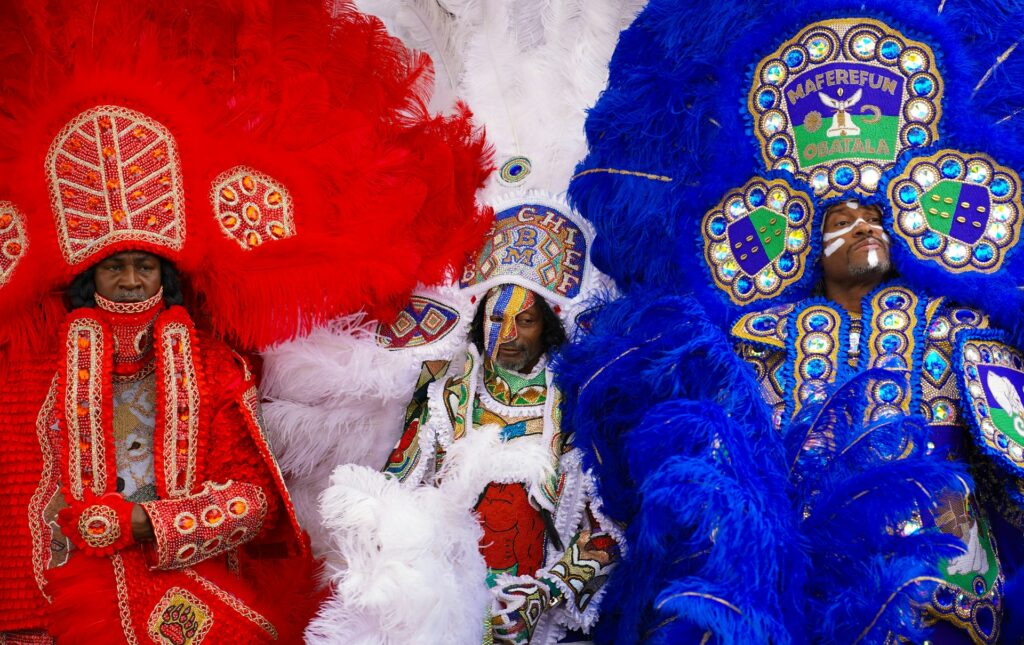
In Africa, beadwork holds profound cultural and spiritual significance. Among the Zulu people of South Africa, for example, beaded patterns and color combinations serve as a form of non-verbal communication. A Zulu woman might wear a necklace with specific bead colors to convey her marital status, emotional state, or family lineage. The Maasai people of Kenya and Tanzania, on the other hand, use beadwork to celebrate rites of passage, with designs denoting age groups and social roles within the community.
Indigenous beadwork in North America tells equally compelling stories. Native American tribes, such as the Lakota and Ojibwe, incorporate intricate bead designs into clothing, jewelry, and ceremonial regalia. Each piece is imbued with spiritual meaning, often paying homage to nature, animals, or celestial elements. The “lazy stitch” technique, commonly used in Plains tribes, creates vibrant, symmetrical patterns that are both aesthetically stunning and deeply symbolic.
Modern beadwork continues to evolve while staying true to its roots. Artisans now experiment with glass beads, metal accents, and contemporary designs to appeal to global markets. However, the essence of beadwork remains grounded in its cultural significance. By purchasing ethically sourced beadwork, individuals not only acquire beautiful, handcrafted items but also support Indigenous artists and their efforts to preserve traditional knowledge.
Sand Mandalas: The Sacred Art of Tibetan Buddhism
The creation of sand mandalas by Tibetan Buddhist monks represents an ephemeral yet profoundly meaningful art form. Mandalas, which are intricate geometric designs, symbolize the universe and the interconnectedness of all life. Crafted using colored sand, these sacred artworks are not only visual masterpieces but also spiritual tools for meditation, teaching, and healing.
The process of making a sand mandala is as significant as the final product. Monks begin with a prayer ceremony, invoking blessings and setting their intentions for the mandala. Using a metal funnel known as a chakpur, they meticulously place grains of colored sand onto a flat surface, creating an intricate design that can take days or even weeks to complete. The precision and patience required reflect the monks’ spiritual discipline and mindfulness.
One of the most fascinating aspects of sand mandalas is their impermanence. Once completed, the mandala is destroyed in a ceremonial ritual that signifies the transient nature of life. The sand is gathered and often released into a body of water, spreading the blessings of the mandala to the world.
While rooted in Tibetan Buddhism, mandalas have gained global recognition for their beauty and spiritual depth. They have inspired contemporary art forms and practices, including mandala coloring books and digital designs, offering people a chance to engage with this ancient tradition in new ways. By understanding the philosophy behind sand mandalas, individuals can appreciate their deeper significance beyond their visual appeal.
The Expressive Power of Kathakali: Dance-Drama of Kerala, India
Kathakali, a traditional dance-drama from Kerala, India, combines elaborate costumes, intricate facial makeup, and stylized movements to narrate stories from Hindu mythology. This art form, which dates back to the 17th century, is a vibrant blend of theater, music, and dance that captivates audiences with its dramatic storytelling.
What makes Kathakali unique is its emphasis on facial expressions and hand gestures, known as mudras, to convey emotions and actions. Performers undergo years of rigorous training to master these techniques, as well as the physical stamina required for the demanding choreography. Their brightly colored makeup, often resembling masks, is an art form in itself, with each color representing a specific character trait—green for heroism, red for villainy, and black for evil.
Kathakali performances are traditionally accompanied by live music, including percussion instruments like the chenda and maddalam. The singers narrate the story in a mix of Malayalam and Sanskrit, while the performers bring the narrative to life through their movements. These performances often take place during temple festivals or cultural events, lasting several hours and sometimes continuing through the night.
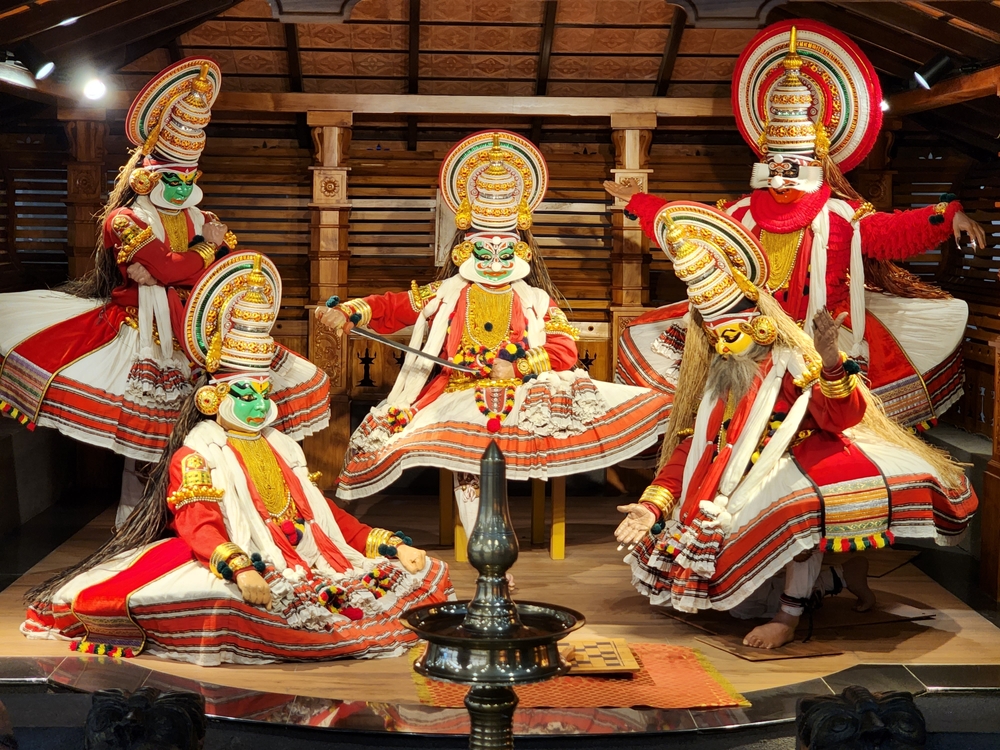
While deeply rooted in religious themes, Kathakali has also evolved to address contemporary issues, with modern adaptations exploring social and political narratives. This adaptability ensures that Kathakali remains relevant while retaining its traditional essence. Efforts to promote Kathakali through cultural exchanges and educational programs have further strengthened its status as one of India’s most cherished art forms.
Navajo Weaving: A Legacy of Innovation and Resilience
Navajo weaving is a celebrated art form among the Navajo people of the American Southwest. Known for its bold geometric patterns and vibrant colors, Navajo textiles are prized for their beauty and craftsmanship. However, their significance goes far beyond aesthetics; they are a testament to the Navajo people’s ingenuity, resilience, and deep connection to the land.
The origins of Navajo weaving can be traced back to the 17th century, when the Navajo adopted sheep herding and wool processing from Spanish settlers. Over time, they developed their distinctive weaving style, incorporating traditional motifs and techniques. Early Navajo blankets, known as “chief’s blankets,” were highly sought after by neighboring tribes and settlers for their durability and intricate designs.
What sets Navajo weaving apart is its adaptability. During the late 19th century, the introduction of commercial dyes and trading posts led to the development of “rug weaving,” characterized by brighter colors and patterns influenced by European and Mexican designs. Despite these changes, Navajo weavers maintained their traditional methods, using hand-spun wool and upright looms to create one-of-a-kind pieces.
Today, Navajo weaving remains a vital cultural practice and source of income for many Navajo families. By purchasing authentic Navajo textiles, buyers can support these artisans and help preserve their heritage. Moreover, the resurgence of interest in handmade, sustainable products has brought renewed appreciation for Navajo weaving, ensuring its place in the global art market.
The Universal Importance of Preserving Cultural Art Forms
Cultural art forms like batik, beadwork, sand mandalas, Kathakali, and Navajo weaving are invaluable treasures that connect us to the diverse stories of humanity. They remind us of the creativity, resilience, and spirituality that define different communities across the globe. However, these traditions face numerous challenges, from globalization to the decline of traditional apprenticeship systems.
Supporting these art forms requires active engagement, whether by learning about their histories, purchasing authentic pieces, or participating in cultural exchange programs. By celebrating and preserving these unique art forms, we ensure that future generations can continue to draw inspiration from the rich tapestry of human creativity.