
For bird enthusiasts, few places in the world compare to the avian diversity found in Tanzania and the Galapagos Islands. Both regions boast unique and colorful bird species that are a delight to observe, thanks to their distinctive environments and the preservation of their ecosystems. Whether you’re drawn to the striking colors of Tanzanian species or the endemic wonders of the Galapagos, these destinations offer birdwatchers a true paradise.
Exploring the Colorful Avian Diversity of Tanzania
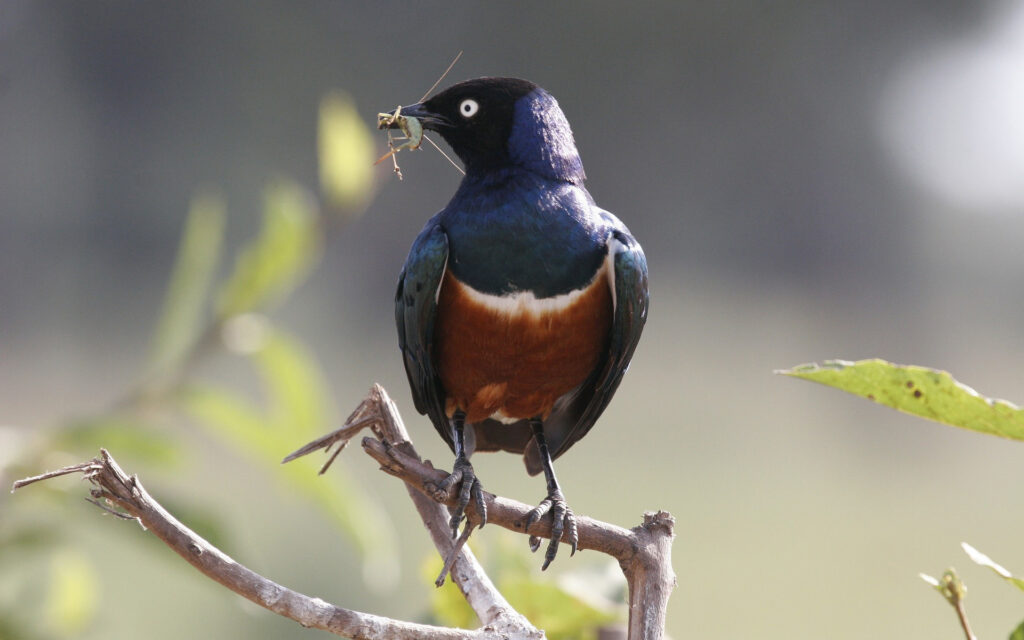
Tanzania, home to diverse landscapes from savannas to wetlands, provides a rich habitat for a variety of bird species and to get an opportunity to see them live you can go on a beautiful luxury safari in Tanzania. Among the most dazzling is the Lilac-breasted Roller, often seen perched in the Acacia trees of the Serengeti. Known for its pastel plumage, this bird adds a splash of color to the Tanzanian landscape and is famous for its dramatic displays during flight. Other highlights include the Fisher’s Lovebird, a small green-and-yellow parrot native to northern Tanzania’s grasslands, and the Grey Crowned Crane, the country’s national bird, distinguished by its unique golden crown of feathers.
Birdwatching in Tanzania also offers opportunities to observe species that are rarely found elsewhere, such as the endemic Usambara Weaver and the Rufous-tailed Weaver. Tanzania’s parks, including the Serengeti, Lake Manyara, and Arusha, have ideal habitats for these birds, allowing birders to enjoy close encounters in settings that make for unforgettable sightings. With over 1,000 recorded bird species, Tanzania offers endless opportunities for both amateur and experienced birdwatchers.
Galapagos Islands: A Sanctuary of Endemic Birds
The Galapagos Islands, a UNESCO World Heritage site, offer one of the most unique birdwatching experiences in the world. Isolated for millions of years, these islands are home to numerous bird species found nowhere else on Earth. Among the most iconic are the Blue-footed Boobies, known for their striking blue feet and charming courtship dance. Found throughout the islands, these birds are a must-see for any birdwatching enthusiast visiting the Galapagos.
Another essential sighting in the Galapagos is the Waved Albatross, primarily found on Española Island. With its large wingspan and distinctive mating rituals, this species is a highlight for visitors lucky enough to witness it during the breeding season. Additionally, the Galapagos Penguins, the only penguin species found north of the equator, can be spotted on the islands, especially around Isabela and Fernandina. The Galapagos Islands’ isolation has allowed these birds to evolve in fascinating ways, giving each sighting a glimpse into the natural world’s adaptability and resilience.
Tips for the Ultimate Birdwatching Experience
To make the most of a birdwatching adventure in these regions, it’s important to plan according to each location’s unique ecosystems and seasons. In Tanzania, the dry season (June to October) provides ideal birdwatching conditions as birds congregate around water sources. However, visiting during the “green season” (November to April) offers the chance to see migratory birds, adding to the diversity.
For the Galapagos, the best time for birdwatching is generally from December to May, when the weather is warmer, and many species are breeding. Planning tours with local birdwatching experts enhance the experience, as guides offer insights into the birds’ behaviors and the ecology of each location. Binoculars, a camera with a zoom lens, and a field guide can also enhance your experience, allowing you to capture and identify the various species you encounter.
Whether observing the vibrant birds of Tanzania or the unique species of the Galapagos, each destination provides a stunning glimpse into the world of birds. With the right preparation, birdwatchers can enjoy an unforgettable journey through some of the most biodiverse habitats on Earth, capturing memories of rare and colorful birds that are truly one-of-a-kind.