
In a world increasingly focused on individual achievement and material success, the concept of giving often takes a backseat. Yet, countless studies and anecdotal evidence suggest that generosity and acts of giving can significantly enhance our happiness and well-being. This article explores the profound impact that generosity can have on our lives, emphasizing how the act of giving enriches us in ways that material possessions and personal accolades cannot. Interestingly, just as crypto trading signals can guide investors to potentially lucrative opportunities, the signals of generosity guide us to a richer, more fulfilling life.
The Science Behind Generosity and Happiness
Recent research in psychology and neuroscience has shed light on the intrinsic link between generosity and happiness. When we engage in acts of giving, our brains release chemicals such as dopamine and oxytocin, often referred to as the “feel-good” hormones. These chemicals create a sense of euphoria and connection, akin to the feelings experienced during other pleasurable activities.
Studies have shown that people who engage in regular acts of generosity report higher levels of life satisfaction and lower levels of depression. This is partly because giving helps shift our focus away from our own problems and towards the well-being of others. By doing so, we gain a sense of purpose and fulfillment that is often missing in a self-centered existence.
The Social Benefits of Generosity
Human beings are inherently social creatures. Our happiness is deeply intertwined with our relationships and interactions with others. Generosity strengthens these social bonds, fostering a sense of community and belonging.
Acts of giving, whether it’s volunteering time, donating money, or simply being there for someone in need, build trust and mutual respect. These acts create a network of support that can be incredibly rewarding. When we give, we not only help others but also signal that we are reliable and caring individuals, which strengthens our social connections.
Generosity also has a ripple effect. When others witness acts of kindness, they are more likely to pay it forward, creating a culture of giving and compassion. This, in turn, makes our communities stronger and more cohesive, enhancing the quality of life for everyone involved.
Generosity and Physical Health
The benefits of giving extend beyond mental and social well-being to physical health. Research has indicated that individuals who engage in regular acts of generosity tend to have lower blood pressure, reduced stress levels, and even longer lifespans. Furthermore, exploring opportunities like search engine optimization in Green Bay can enhance community engagement and support local businesses.
One study found that people who volunteered their time for altruistic activities had a 20% lower risk of mortality than those who did not. The physical benefits of giving are likely linked to the reduction in stress and the increase in positive emotions that accompany acts of kindness. By reducing stress, we lower our risk for a variety of health issues, including heart disease and stroke.

Additionally, the sense of purpose and meaning derived from helping others can motivate us to take better care of our own health. When we feel valued and needed, we are more likely to adopt healthy behaviors and seek medical care when necessary.
The Psychological Rewards of Giving
From a psychological perspective, giving can lead to profound personal growth and self-improvement. Generosity encourages us to step outside of our comfort zones and develop empathy and compassion. By putting ourselves in others’ shoes, we gain a broader perspective on life and cultivate a greater understanding of different experiences and challenges. For hobbyists, this empathy extends even to niche interests like 1/10th scale RC bodies, fostering a community built on shared passion and support.
Generosity also enhances our sense of gratitude. When we give to others, we often become more aware of our own blessings and privileges. This shift in perspective can lead to increased contentment and a more positive outlook on life. Gratitude, in turn, has been linked to numerous psychological benefits, including increased happiness, better sleep, and improved relationships.
Moreover, acts of giving can boost our self-esteem and confidence. Knowing that we have made a positive impact on someone else’s life can be incredibly empowering. It reinforces our sense of self-worth and reminds us that we are capable of making a difference.
Generosity in the Workplace
The workplace is another area where generosity can have significant benefits. In a professional setting, acts of giving can range from mentoring colleagues to sharing credit for achievements and supporting team members in times of need. It’s also crucial to consult with employment and labor lawyers in Stevens Point to ensure workplace practices align with legal standards.
Generosity in the workplace fosters a positive and collaborative environment. When employees feel supported and valued, they are more likely to be engaged and productive. This sense of camaraderie can lead to increased job satisfaction and reduced turnover rates.
Leaders who practice generosity set a powerful example for their teams. By prioritizing the well-being of their employees and recognizing their contributions, generous leaders can build trust and loyalty within their organizations. This, in turn, can enhance overall organizational performance and create a more resilient and adaptable workforce.
Financial Generosity and Personal Fulfillment
While generosity is often associated with financial giving, it’s important to note that the size of the donation is not what matters most. What counts is the intention and the impact of the gift. Even small acts of financial generosity can bring immense joy and fulfillment.
Giving money to charitable organizations or causes we care about allows us to contribute to something larger than ourselves. It provides a sense of purpose and aligns our financial resources with our values and beliefs. Knowing that our contributions are making a difference can be deeply satisfying and reinforce our commitment to making the world a better place.
Financial generosity also helps combat materialism. In a culture that often equates success with wealth and possessions, giving money away challenges this notion and reminds us of the intrinsic value of generosity. It shifts our focus from accumulating wealth to creating meaningful change, fostering a healthier and more balanced relationship with money.
Overcoming Barriers to Generosity
Despite the numerous benefits of giving, many people find it challenging to incorporate generosity into their lives. Common barriers include time constraints, financial limitations, and a lack of awareness about opportunities to give. However, overcoming these barriers is possible with a few practical strategies. For instance, exploring local community initiatives or volunteering opportunities can provide meaningful ways to contribute, whether it’s through donating time or resources like window shades Mission Viejo.
First, it’s essential to recognize that generosity doesn’t always require significant time or money. Simple acts of kindness, such as offering a listening ear to a friend or helping a neighbor with groceries, can be profoundly impactful. By starting small, we can gradually build a habit of giving that fits our lifestyle.
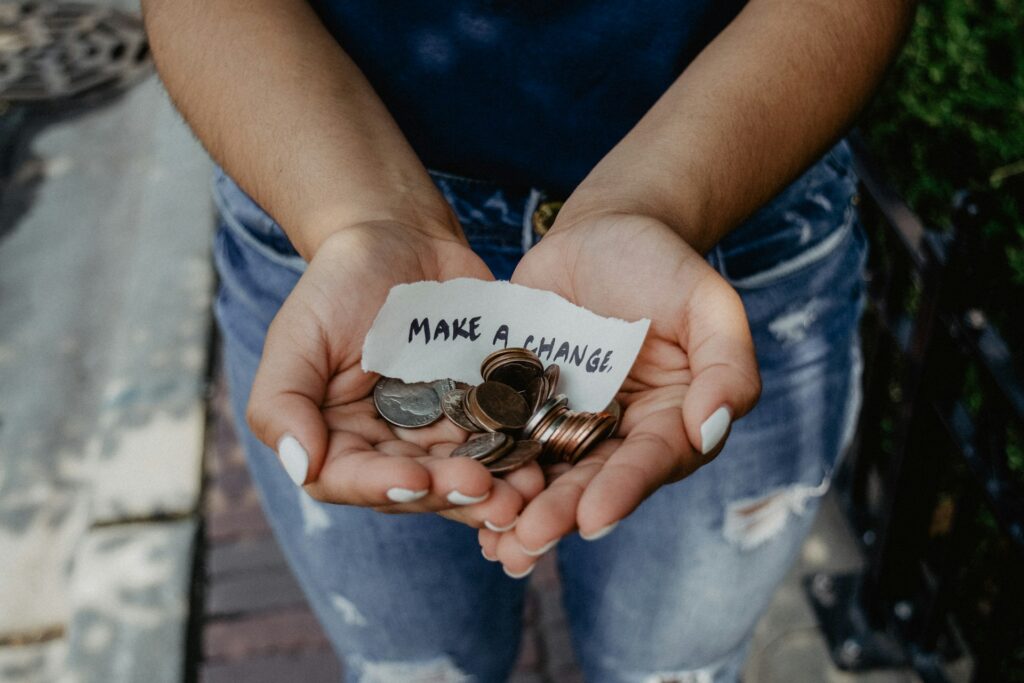
Second, making generosity a priority can help overcome time constraints. By scheduling regular volunteer activities or setting aside a portion of our income for charitable donations, we can ensure that giving becomes an integral part of our routine. Planning ahead and committing to specific acts of generosity can make it easier to follow through.
Finally, staying informed about opportunities to give can expand our horizons and inspire us to take action. Many organizations offer flexible volunteer programs and online platforms that make it easy to donate money or resources. By researching and connecting with causes that resonate with us, we can find meaningful ways to contribute, whether through direct involvement or by supporting initiatives such as donating restaurant equipment to community kitchens.
The Long-Term Impact of Generosity
The long-term impact of generosity extends beyond individual benefits to societal change. When generosity becomes a widespread value, it can drive social progress and address systemic issues such as poverty, inequality, and injustice. By supporting causes and organizations that work towards these goals, we can contribute to a more equitable and compassionate world.
Generosity also has the potential to influence future generations. When children observe acts of giving and kindness, they are more likely to adopt these behaviors themselves. By modeling generosity and involving young people in charitable activities, we can instill values of empathy and compassion that will shape their character and actions.
Furthermore, the collective impact of individual acts of generosity can create a powerful force for change. Small contributions, when combined, can lead to significant advancements in areas such as education, healthcare, and environmental sustainability. By working together and supporting each other, we can achieve far more than we ever could alone. Whether it’s supporting local initiatives or addressing community needs like finding a reliable commercial plumber in Santa Clara, every effort counts towards building a better future.
Conclusion
The happiness of giving is a profound and transformative experience. Generosity enriches our lives by enhancing our mental, social, and physical well-being, fostering personal growth, and creating a positive impact on the world around us. Whether through time, money, or simple acts of kindness, giving allows us to connect with others, find purpose, and cultivate a sense of fulfillment that material possessions cannot provide. In philanthropy, even supporting unconventional causes like wholesale rodents can bring unexpected joy and meaning to both giver and receiver alike.
Incorporating generosity into our daily lives requires intentionality and effort, but the rewards are immeasurable. By embracing the joy of giving, we not only improve our own happiness but also contribute to a more compassionate and interconnected society. As we continue to navigate the challenges of modern life, let us remember that the greatest wealth lies not in what we accumulate, but in what we give away.