
In today’s dynamic business landscape, companies are continually searching for innovative ways to not only survive but thrive. One strategy that has gained immense traction over the past decade is the Subscription Economy. This transformative approach has enabled businesses to sustain growth in ways previously unimagined.
The Rise of Subscriptions
The Subscription Economy, characterized by recurring revenue models, has become the cornerstone of many successful businesses. From software-as-a-service (SaaS) to streaming platforms, this approach has disrupted traditional business models. The beauty of subscriptions is that they provide a predictable income stream, allowing companies to plan, invest, and innovate more effectively.
Predictable Revenue Streams
One of the key advantages of the Subscription Economy is the creation of predictable revenue streams. This consistent influx of income is like a financial safety net for businesses. It offers stability that allows them to allocate resources with confidence, whether for research and development, marketing, or expanding their product or service offerings.
Customer-Centric Approach
The subscription model fundamentally alters the way businesses interact with their customers. It fosters a customer-centric approach, where businesses are not just focused on making the initial sale but on providing ongoing value. Subscribers receive regular updates, improvements, and personalized experiences, all of which enhance customer loyalty and reduce churn rates.
Adaptation and Flexibility
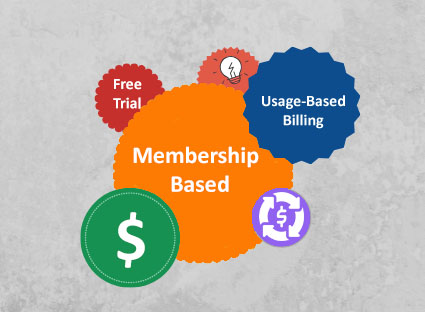
In a rapidly changing marketplace, adaptability is crucial for sustaining growth. Subscription-based businesses are inherently more flexible. They can quickly respond to market shifts and customer feedback, making necessary adjustments or introducing new features. This adaptability keeps them relevant and competitive.
Challenges and Competition
While the Subscription Economy offers numerous benefits, it’s not without challenges. With the increasing popularity of subscriptions, competition is fierce. Companies must continually deliver value to retain subscribers. Additionally, the subscription fatigue phenomenon has emerged, where customers may feel overwhelmed by multiple subscriptions, necessitating businesses to refine their offerings to stand out.
Data-Driven Decision Making
Successful subscription businesses thrive on data. They collect information about customer behavior, preferences, and usage patterns. This data is then analyzed to make informed decisions. By understanding their customers better, businesses can tailor their services and marketing strategies for maximum impact.
Monetization Beyond Products
The Subscription Economy extends monetization opportunities beyond traditional product sales. Companies can offer tiered subscription plans, upsells, and cross-sell additional services. This diversified approach not only increases revenue but also deepens the customer relationship.
If you are interested in starting a plumbing business you should first think about plumbing business profitability in the current market.
Environmental Considerations
In an era where sustainability is paramount, the Subscription Economy has an environmental advantage. The digital nature of many subscription services reduces the need for physical products, saving resources and decreasing carbon footprints. Companies that adopt eco-friendly practices can appeal to environmentally conscious consumers.
Conclusion
The Subscription Economy has revolutionized the way businesses operate, creating a win-win situation for both companies and their customers. It offers predictable revenue, encourages customer loyalty, and enables adaptability in an ever-evolving marketplace. As businesses continue to embrace this model, the Subscription Economy is likely to remain a driving force behind sustained business growth in the future.