
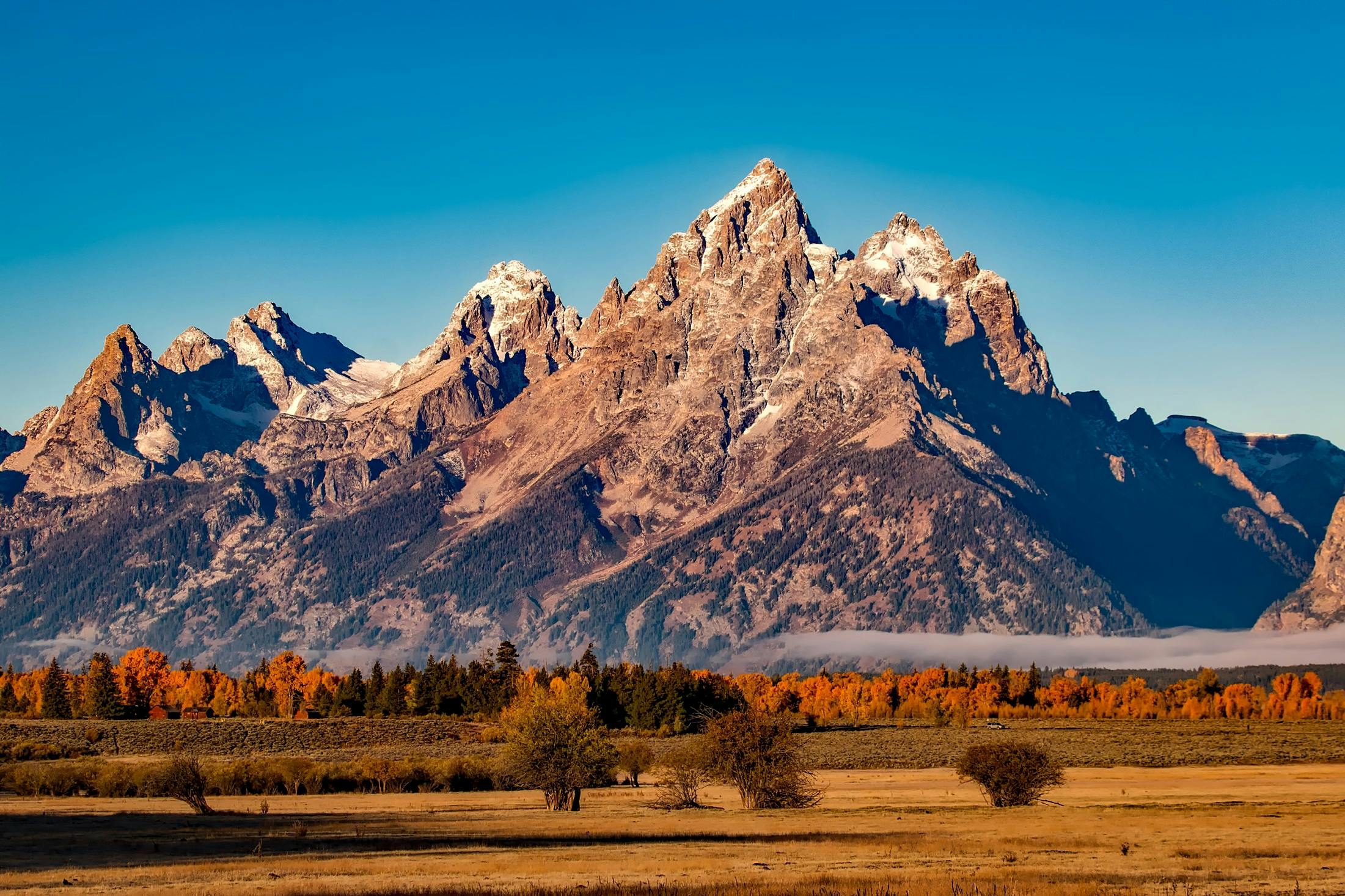
An easy guide to securing your first summit
1. Start with the fundamentals
The first step is getting fit. Include stair-climbing and walking as part of your routine. It is also possible to incorporate regular exercise like cycling and running to enhance your fitness, and also lift weights to strengthen the upper portion of your body. Additionally, visit an indoor climbing center to master the basics, such as the use of harnesses, belaying, and knotting rope.
Take a large backpack and start climbing the hill. Plan multi-day backpacking excursions to learn how to scramble and build your confidence while climbing huge ridges and crags on your own or with a partner. Additionally, you must be comfortable during cold winter conditions – because climbing can be very cold.
2. Select the target you want to reach.
Think about the terrain you want to conquer such as a technical trail, Granite’s face, glaciated mountains mixed climbs or ice or just walks. Make a list of your long-term goals, and outline your initial plan.
Don’t over-exaggerate. It’s better to feel happy about your accomplishments , rather than frustrated that you’re not reaching your goals.
3. Find a new course
“Mountain bible “mountain bible” Freedom of the Hills is an ideal beginning point. If you have acquaintances who are mountaineers they can guide you through the basics however it is not as effective as an instruction course. A guided hike will take you into the mountains, and gives you immediate feedback and personal knowledge.
The classes are usually six days long and cover class 2 routes. They cover route planning and navigation safely and securely and logistical aspects that involve rock climbing such as weather analysis and mountain rescue. They also instruct on the use of snow and ice, as well as self-arrest and glacier hiking. It is important to know that you’ve got all of these in your backpack will enable you to be more secure in your choices when climbing the mountain.
4. Master the maps
The more experience in the navigation you have the more comfortable you will be. Begin by drawing the route from two points on a map. Make real-world routes you can take out and identify POIs are worth exploring. Utilize the various tools at your disposal for GPS and compass as well as altimeters, triangulation, and map contours bearings, sightings, and bearings. Once you’re certain you’re at the right spot, try to locate your way back.
It is essential to know the pace you are working at to plan your day so that you can not overwork your schedule and exhausting yourself. Make sure you estimate well. Take a measurement of your distance on the path that is close to your house and go about it, but it is also important to pace up hills to observe what happens when the terrain becomes higher, more luxurious and you are exhausted.
5. Find the gear that is right for you.
Dress in layers, wear an Arcteryx beta lt jacket to stay warm even in the coldest scenarios, and put on merino wool socks and boots that feature a tough outer layer and a removable soft inner layer to keep your feet dry. Be sure you’ve got an easy-to-carry backpack that can accommodate the necessities. For climbing, you’ll need a suitable harness, helmet, and the proper length of rope, as well as the right equipment. If you’re on the ice, make use of semi-rigid 12-point crampons, along with a 60 to 90cm curving piolet.
Make sure you have an emergency headlamp since the mountaineering season starts in the morning and if you do become lost, you’ll want to lose your way in the darkness. Don’t skimp on quality camping gear, or you’ll regret it when you’re hit by 120kph winds, snow, or sleet. Be prepared for emergencies with bivvy equipment and a basic first-aid kit.